Last year, a founder showed me a dashboard for a 20,000-person list. “Our open rates hit 48 percent on Tuesday,” he told me, beaming. “We’ve cracked it.”
I looked at the revenue column. Two hundred forty-two dollars. On twenty thousand contacts.
His subject lines were clickbait art, but the email body was two vague paragraphs and a broken link. He was celebrating a vanity metric while his deliverability was quietly sinking into Google’s promotional tab abyss.
That conversation happens every week. People get fixated on a single percentage without understanding how email metrics actually interact. According to Campaign Monitor’s benchmark data, healthy open rates float somewhere between 36 and 40 percent across most sectors, with clicks averaging around 2 to 3 percent. But if you treat those averages like rigid rules, you’ll optimize for the wrong things.
Here’s how to actually read email numbers like an insider — and what tools like ActiveCampaign, Klaviyo, Mailchimp, and EngageBay are really telling you under the hood.
Why Most People Read Email Data Backwards
Most marketers check stats in the order their dashboard presents them: opens first, clicks second, unsubscribes last.
If you want to diagnose a list properly, flip that order on its head.
Start with your unsubscribe and bounce rates. If unsubscribes pass 0.4 percent on a standard weekly broadcast, your list is telling you something urgent. You’re either emailing people who forgot they signed up, or the promise in your opt-in form doesn’t match the content in your inbox. Bounces over one percent? Your lead capture form is getting hit by bots or fake addresses, and mailbox providers like Gmail are taking note.
Next comes click-to-open rate (CTOR) — the percentage of people who clicked after opening. This is your content quality grade. A 40 percent open rate paired with a 2 percent CTOR means your subject line made a promise your email body failed to keep. Conversely, a 25 percent open rate with a 15 percent CTOR means the people who opened were genuinely hooked by what you wrote.
Open rates themselves? Take them with a grain of salt. Ever since Apple rolled out Mail Privacy Protection, Apple Mail pre-loads tracking pixels automatically. That means a chunk of your “opens” are just servers checking the file, not real human eyes. Use open rates to spot major drop-offs over time, not as gospel truth.
How Platform Analytics Shift by Business Model
Different email platforms measure performance through completely different lenses. Matching your setup to your business model saves hours of dashboard hunting.
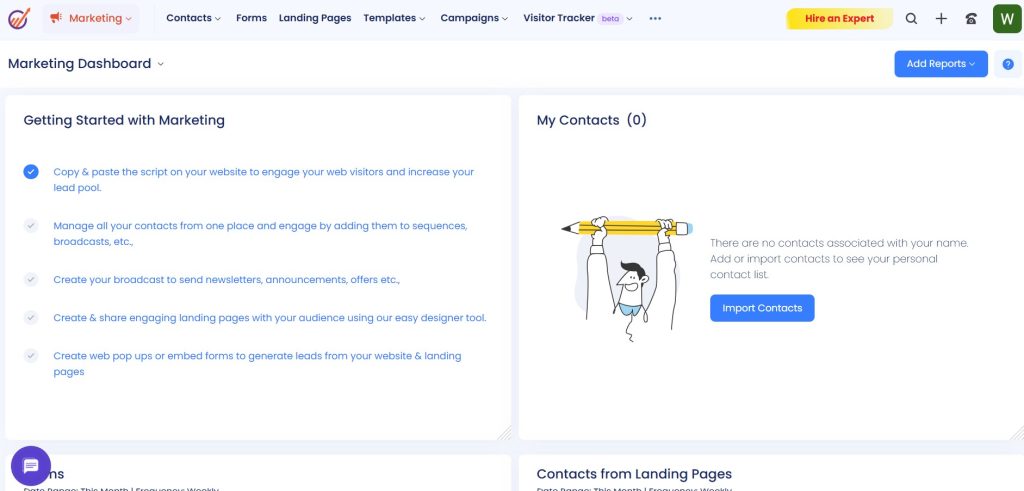
If you’re running a multi-channel business with email and customer support side by side, platforms like EngageBay bring marketing broadcasts and service tickets into the same view.
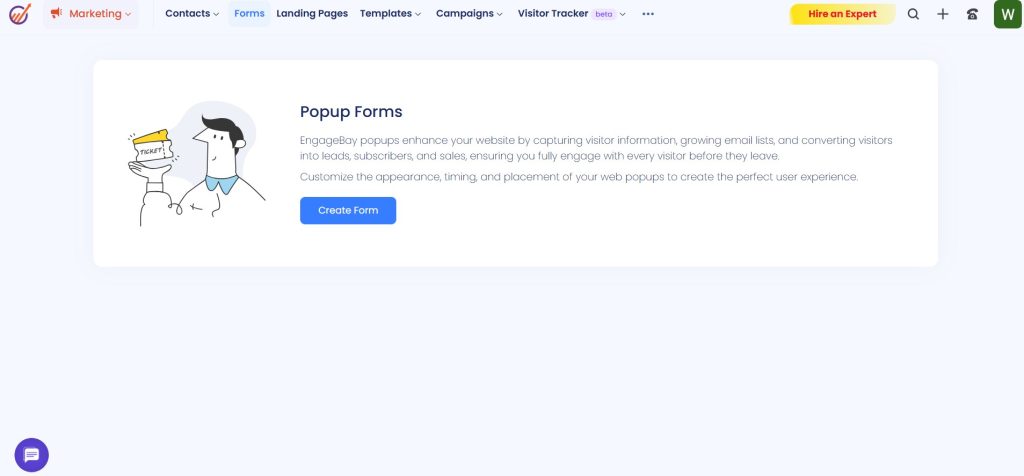
EngageBay lets you segment contacts based on past engagement history and support interactions. That means you can suppress cold contacts from broadcast lists, keeping deliverability high without manual spreadsheet cleanup.
For eCommerce, Klaviyo ignores click percentages almost entirely and focuses on revenue per recipient. A flow that earns three thousand dollars on a 15 percent open rate is vastly more valuable than a newsletter with 40 percent opens that generates zero sales.
If you’re building automated sequences, ActiveCampaign maps out multi-step drop-offs across complex automation branches, while Mailchimp offers quick peer-group benchmarking for straightforward newsletters. Other options like GetResponse, ConvertKit, MailerLite, and Omnisend each tailor their reports around creators, store owners, or publishers.
If your email campaigns focus on driving product sales, getting your offer structure right is half the battle. Read this guide on how to add product descriptions that convert to make sure your landing copy fulfills the promise of your email text.
What “Good” Really Looks Like Across Industries
People ask for a single baseline benchmark, but context changes everything. Here’s what we actually see working across live client accounts:
- B2B Tech & Services: Expect 30 to 40 percent opens, but aim for a high CTOR (10 to 14 percent). B2B readers scan quickly; your offer needs to be clear above the fold.
- Online Retail: Standard promo blasts usually land between 20 and 30 percent opens, with clicks floating near 2 percent. Top stores make up for modest campaign numbers by leaning heavily on automated triggers — abandoned cart emails regularly clear 50 percent opens because the buyer was literally just looking at the item.
- Media & Newsletters: High opens (40 to 50 percent) are standard if subscribers opted in specifically for the writing. Here, click rates matter less than steady, low unsubscribe numbers week after week.
Fixes That Move Real Numbers (Not Just Vanity Stats)
When a client’s engagement numbers dip, we don’t start rewriting subject lines right away. We run through three operational fixes first.
First, purge unengaged contacts aggressively. If someone hasn’t opened an email in ninety days, move them to a win-back automation. If they still don’t respond, remove them. Pruning 20 percent of an inactive list almost always causes overall inbox placement — and real opens — to jump immediately.
Second, strip out secondary links. Every extra link in an email dilutes reader attention. If your goal is getting people to read a new post or view a product, give them one primary button. Multiple competing calls-to-action tank your click-through rates.
Third, build a bridge to your support desk. When promo emails spark questions from interested buyers, speedy replies close the sale before the buyer moves on. If your inbox gets flooded after a broadcast, check out this guide on how to create chat shortcuts for common questions to keep response times fast.
Linking email performance back to CRM sales data gives you the full financial picture. If you want to see how email leads move through pipeline stages, take a look at this guide on how to generate sales reports from CRM data.
Stop chasing 50 percent open rates on cold lists. Focus on list hygiene, clear calls-to-action, and relevant timing — the revenue will follow naturally.


Leave a Comment