The last microphone is packed away, the catering crew is clearing out the remaining half-empty coffee cups, and if you’re the one who organized the whole thing, you probably haven’t slept a full night since Thursday. Honestly, you just want to go home, sink into the couch, and completely scrub the word “logistics” from your brain for a week.
But if you run events, you already know the brutal truth: your job isn’t actually done yet. Now comes the most nerve-wracking part of the entire gig—finding out what people actually thought about it.
Did the keynote speaker blow everyone away, or did half the room quietly slip out the back door to check their phones? Was the networking session actually valuable, or was the venue layout an absolute nightmare to navigate?
The problem is that getting attendees to give you honest, detailed feedback is an absolute nightmare. Most post-event surveys have atrocious completion rates. People are busy catching up on the endless mountain of emails they ignored while sitting at your event, and the absolute last thing they want to do is open up a dry, twenty-question corporate questionnaire.
If you want real insights you can actually use to save your sanity and make your next event better, you have to change how you ask.
The Golden Rule: Strike While the Iron is Hot
Let me save you a ton of wasted effort right now: do not wait until next Tuesday to send out your survey email. By then, your attendees have completely checked out. The emotional high of the weekend has faded, and their memories of specific sessions are totally fuzzy. You need to capture their thoughts while the experience is still rattling around in their brains.
If you’re running a live conference, the absolute best time to grab data on a specific speaker is right before they walk off the stage. Have your moderator pull up a slide with a simple QR code and tell the crowd, “Do us a quick favor and take 30 seconds to rate this track before you rush out the door to grab coffee.”
For virtual events or a general post-show wrap-up, that follow-up email needs to hit their inbox within a few hours of the closing remarks. Keep it brief, say a genuine thank you for coming, and give them a direct line to the feedback box.
Stop Treating Your Surveys Like Job Applications
We’ve all clicked on a feedback link only to see a tiny progress bar at the bottom of the screen that says Page 1 of 5. What do you do? You close the tab instantly.
Stop asking your audience to write an entire essay for you. If your survey takes more than ninety seconds to complete, it is way too long. Ruthlessly cut out the nice-to-know fluff and focus purely on high-impact questions.
Instead of a massive wall of open-ended text boxes, lean heavily on a simple 1-to-5 rating scale for the main pillars: venue, food, speakers, and overall value. If you handle your community management through an all-in-one CRM platform like HubSpot, you can automatically map these quick ratings straight to your attendee contact profiles to track satisfaction trends over time. Then, just drop exactly one open text box at the very bottom of the page with a simple, conversational prompt: “What is the absolute first thing we should change for next year?”
This completely lowers the mental friction of completing the form. It feels low-effort to the user, which means your completion rates will actually spike.
Pick Tools That Remove the Friction
Don’t just slap a basic, ugly form together and pray for the best. The software you choose can completely make or break your response numbers.
If your event relied on a mobile app for schedules and digital badges, use it. In-app push notifications have insanely high engagement rates compared to email. Set up a quick, clean pop-up that triggers the second the final session wraps up.
If you are relying on email outreach, skip the raw, ugly text links. You want to use a dedicated platform like SurveyMonkey to build an interface that feels modern, clean, and lightweight. The goal is to make clicking through the questions feel effortless.
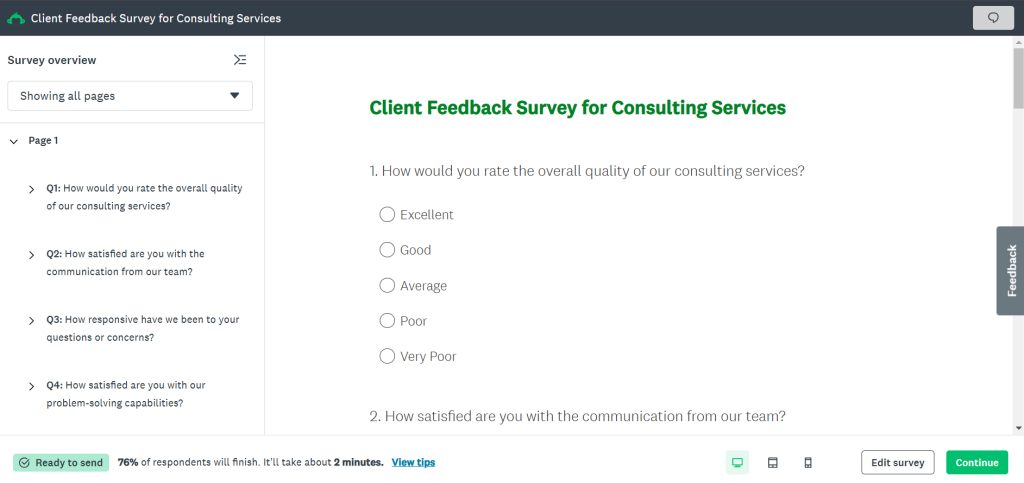
Furthermore, if you are managing your post-show campaigns through a marketing automation tool like Mailchimp, you can actually embed the very first question—like that simple 5-star rating scale—directly inside the body of the email.


Once the user clicks a star right there in their inbox, the rest of the short survey opens up automatically in a new tab. It’s a seamless transition that hooks them before they can talk themselves out of it.
Give Them an Incentive (The Ethical Bribe)
Let’s be realistic here: people are fundamentally motivated by their own time and self-interest. If you are asking them to sit down and help you improve your business infrastructure, you should probably offer a small token of appreciation to sweeten the deal.
You don’t need to break the bank to make this work, either. A few simple tactics do wonders for your numbers:
- The Early-Bird Hook: Offer an exclusive, deeply discounted ticket to next year’s event, but make it available only to people who complete the feedback loop.
- The Resource Drop: Give them instant access to the speaker slide decks, exclusive video recordings, or a valuable digital toolkit the second they hit submit.
- The Raffle: Enter every completed survey into a fast drawing for a high-value item, like a $100 Amazon gift card or a premium piece of industry gear.
Just make sure to shout about the reward right in the subject line of your follow-up email. A punchy “Help us improve + Win a $100 gift card” is going to completely transform your open rates.
Don’t Forget Your Speakers and Sponsors
When we talk about event feedback, everyone completely forgets about the partners. That is a massive mistake. Your speakers, vendors, and sponsors are a critical part of your ecosystem, and their perspective is entirely different from the crowd’s.
Send a separate, highly personalized note to your partners. Ask them about the behind-the-scenes logistics. Was the AV crew easy to work with? Did the sponsor booth layout actually generate decent foot traffic? Did the green room have everything the talent needed?
Keeping your partners happy is exactly how you secure funding and top-tier speakers for your future projects. Showing them that you genuinely value their operational experience builds immense professional loyalty.
The Bottom Line
Collecting feedback isn’t about padding your ego or gathering a bunch of nice compliments to screenshot for your social media feed. It’s about finding out exactly where your logistics cracked so you can patch the holes before next time.
Keep your surveys incredibly short, send them out before the dust settles, and treat your attendees’ time with respect. When you make the process quick and frictionless, people will happily give you the raw data you need to make your next show an absolute home run.

Leave a Comment