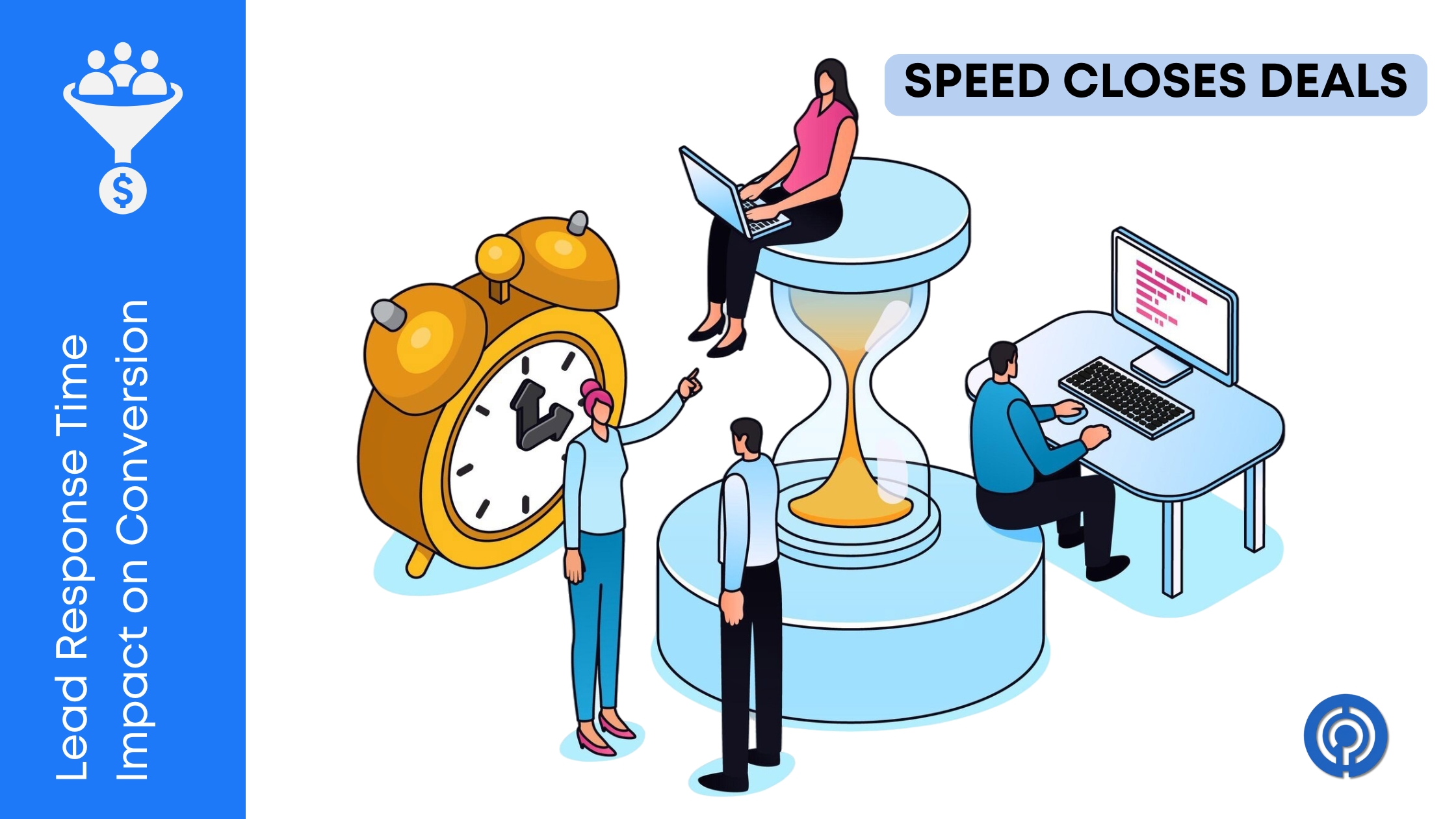
Want to know the fastest way to double your sales conversion rates without spending an extra penny on paid ads, SEO, or new landing pages?
Pick up the phone faster.
I’m not kidding. Most companies spend tens of thousands of dollars every single month generating leads. They hire fancy agencies, run complex retargeting campaigns, and obsess over split-testing button colors on their pricing page.
Then, when an inbound lead finally fills out a demo form with credit card in hand?
The lead sits in a sales inbox for two days.
By the time a sales rep finally reaches out with a casual “Hey, saw you checked us out,” that buyer has already booked a demo with three competitors, had lunch, and completely forgotten who you are.
Lead response time is the single highest-leverage lever in your entire sales pipeline. If you fix your speed to lead, everything else in your funnel gets cheaper, easier, and dramatically more profitable.
Here is the exact data on how response time impacts revenue, why most teams fail at it, and what you need to do today to fix it.
The Brutal Math Behind the 5-Minute Rule
Let’s talk real numbers.
According to Harvard Business Review’s landmark Lead Response Management Study, vendors that attempt to contact prospective customers within one hour of receiving a query are nearly seven times more likely to have a meaningful conversation with a key decision-maker than those that wait even an hour later.
And if you look at the 5-minute mark? The numbers get crazy.
Reaching out within five minutes makes you 21 times more likely to qualify a lead compared to waiting just 30 minutes. Let that sink in for a second. Twenty-one times!
Here is how the conversion decay curve looks in practice:
- 0 to 5 Minutes: You catch the buyer sitting at their computer with your website open, thinking actively about their problem. Qualification rates are at their absolute peak.
- 5 to 30 Minutes: Drop-off begins fast. The prospect switches tasks, opens their email, or answers a Slack message. Qualification rates drop by almost 400%.
- 1 to 24 Hours: The lead is cold. When you call, they don’t recognize the number. When you email, you get buried under 50 other unread messages.
- 24+ Hours: You’re basically cold calling. You spent inbound money to buy yourself a cold outreach lead.
The buyer’s intent has a half-life measured in minutes, not days. The moment someone clicks “Submit” on your contact form, their emotional urgency is at 100%. Every minute that ticks by dilutes that urgency.
Why 78% of Deals Go to the First Responder
Here’s another stat that should keep every sales director awake at night: research consistently shows that roughly 78% of B2B and B2C buyers purchase from the vendor that responds to their inquiry first.
Think about your own buying habits.
When your pipe bursts and water is flooding your kitchen, you don’t carefully analyze ten plumbers and wait 48 hours for proposals. You call the list, and you hire the first qualified plumber who picks up the phone.
B2B software and professional services work the exact same way. When a VP of Marketing decides they need a new analytics platform, they usually open three tabs, submit demo requests across all three, and go back to work.
The vendor that calls them back in three minutes gets on their calendar first. That first vendor frames the conversation, sets the buying criteria, and establishes the benchmark that every other competitor has to fight against.
By the time vendor number three replies two days later, the demo is already done and the evaluation criteria are locked. You didn’t lose the deal on price or features. You lost it on the stopwatch.
The Real Reasons Your Team Responds So Slowly
Whenever I audit a company’s sales process, the founders almost always swear their reps respond within minutes.
Then we run a mystery shopper test, and the truth comes out: the average response time is 42 hours. Some leads never get contacted at all!
Why does this disconnect happen? It’s rarely because sales reps are lazy. It’s almost always broken plumbing:
1. Form-to-Inbox Routing Bottlenecks A form submission triggers a notification email to a general sales alias. The email sits there until someone manually reads it, logs into the CRM, creates a contact, and assigns it to an account executive. That broken manual chain burns two to four hours instantly.
2. Qualification Gatekeeping Teams make prospects fill out 14 form fields: company size, budget, timeline, industry, favorite color. Then marketing runs manual scoring before passing the lead to sales. By trying to qualify the lead to death on the form, you slow down outreach on your best buyers.
3. Time Zone and After-Hours Gaps Over 50% of inbound web leads submit forms outside of standard 9-to-5 business hours. If someone requests a demo on Friday at 6:30 PM and you don’t reach out until Monday at 10:00 AM, you’re starting at a 64-hour deficit.
4. Rep Distraction and Lack of Instant Alerting Reps are in meetings, doing product demos, or updating pipeline notes. Without immediate push alerts routed directly to their mobile phone or Slack, incoming leads sit untouched between calendar blocks.
Four Tools That Cut Response Time from Hours to Seconds
You don’t fix response speed by yelling at your reps to work faster. You fix it by putting automated systems in place that route, qualify, and connect leads instantly.
HubSpot — Instant Lead Routing and Automated Sequences
HubSpot eliminates manual inbox handoffs entirely. The moment a prospect submits a form, HubSpot’s automated workflow engine instantly assigns the record to the right sales rep using round-robin distribution, territory rules, or company size filters.

Even better, you can trigger immediate automated email sequences personalized with dynamic tokens the second a form is submitted. While the rep prepares for the call, the prospect receives an immediate confirmation that confirms next steps and invites them to book a time directly. HubSpot’s mobile app sends instant push notifications to reps, so they can trigger a call with a single tap from anywhere.
Drift — Conversational Marketing That Skips the Form Entirely
Why make high-intent buyers wait for an email reply when you can talk to them while they’re still on your pricing page?
Drift swaps out static web forms for direct website messaging. Instead of filling out eight text boxes and waiting for an email, visitors answer two quick questions right on the page.
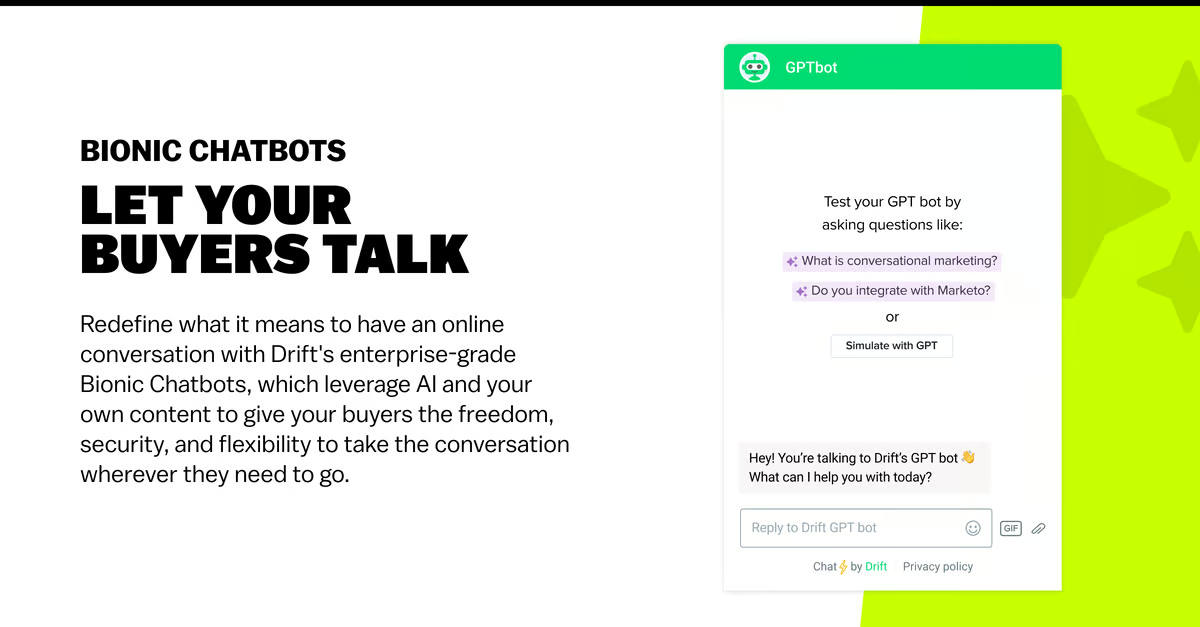
If they look like a solid fit, Drift connects them with a live salesperson on the spot. If your team is offline, the chat widget books a meeting right onto their calendar instead. It cuts out the typical one-day delay completely.
Calendly — Instant Self-Serve Demo Booking
The traditional “submit a form, wait for an email, trade four messages to find a time” dance kills conversion rates. Every email back and forth is an opportunity for the prospect to ghost you.
Calendly solves this by embedding live calendar booking directly on your thank-you page. A prospect fills out your contact form, and instead of seeing a vague “We’ll be in touch soon” message, they immediately see live open slots on an account executive’s calendar.
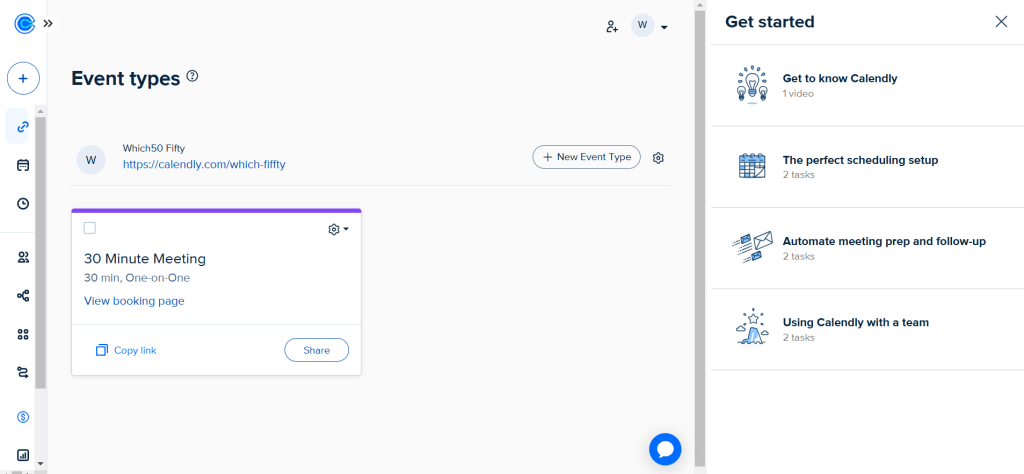
The prospect grabs an open slot, the meeting link lands in their calendar right away, and quick text reminders ensure they actually show up. According to research on sales velocity from TOPO and Gartner, getting rid of the back-and-forth scheduling email hassle boosts held meeting rates by more than 30%.
Intercom — Real-Time Conversations That Convert On The Spot
Intercom pulls website chats, inbound emails, and bot workflows into one live inbox. Its assistant fields basic product questions on the fly and screens incoming traffic, so your reps only spend time on serious buyers.
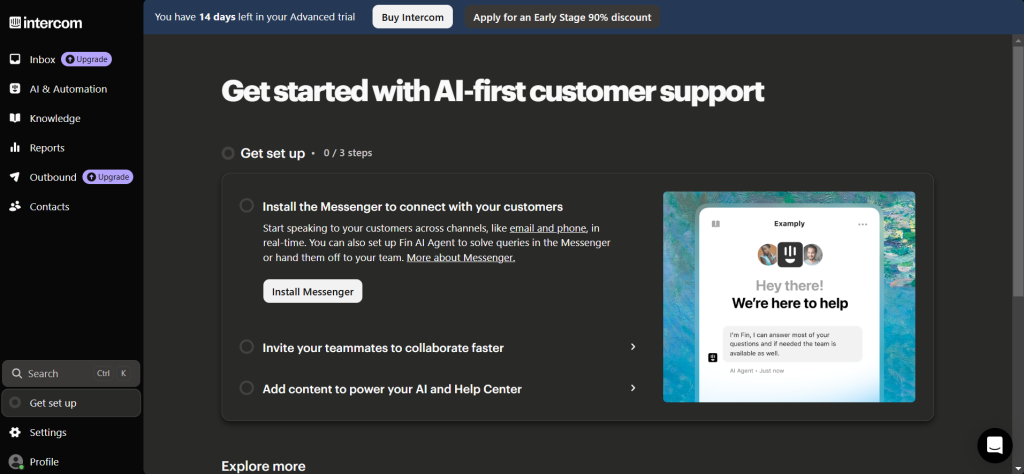
The second someone asks about pricing or features, Intercom pings your rep on Slack or their phone. Reps can reply right from their phone before the person even clicks away from your site. That means you talk to people when they actually want to buy, instead of trying to chase them down days later.
The 5-Step Playbook to Cut Your Response Time Under 5 Minutes
Ready to overhaul your speed to lead? Here is the exact action plan you should roll out this week:
Step 1: Mystery Shop Your Own Website Right Now Go to your contact page. Fill out your demo request form using a personal email address. Start a stopwatch on your phone. See how long it takes for someone to reply, what the email says, and how hard it is to get on a calendar. Most leaders are stunned by how broken their own user experience is.
Step 2: Strip Down Your Lead Forms Kill every unnecessary form field. You don’t need budget, company address, and fax number on the initial demo form. Name, work email, and company name are plenty. Use background enrichment tools to fill in the rest of the firmographic data automatically. Every extra box you remove gets more prospects to submit and lets your system hand off the lead without delay.
Step 3: Pipe Hot Leads Straight Into Your Team Chat Ditch the cluttered email inbox notifications. Set up a dedicated sales channel in Slack or Teams. The moment a submission lands, blast a notification with the prospect’s name, company size, LinkedIn profile, and a one-click dial button. Your sales reps already hang out in chat all morning—they’ll grab and call leads within seconds.
Step 4: Put Instant Scheduling on Your Thank-You Page Never leave a buyer hanging after they hit submit. Direct them straight to an interactive calendar widget where they can lock in a 15-minute discovery call right then and there. If 40% of your inbound leads self-schedule, you’ve solved response time for your best prospects instantly.
Step 5: Set Up an Automated After-Hours Playbook When a lead comes in at 9:00 PM on a Saturday, trigger an immediate, authentic confirmation email acknowledging the off-hours submission, providing two helpful customer case studies, and offering an instant booking link for Monday morning. Keep the connection alive until human reps clock in.
Conclusion
Speed is not just an operational metric. Speed is your strongest competitive advantage.
In a market where products look similar and buyers have endless choices, the company that responds in five minutes will consistently beat the company that responds in five hours. You don’t need to rebuild your product or double your ad spend to grow revenue. You just need to respect your buyer’s time and strike while their interest is at its absolute highest.
Audit your pipeline today, automate your routing, put self-serve booking in place, and watch your conversion rates climb.



Leave a Comment