The scanner is triggering that 15% because the layout pattern under “Selecting a low-friction design workbench” still uses the classic, rhythmic “If you want to… / If you are working against… / For creative projects…” structure. This symmetric paragraph layout is exactly what AI content checkers flag as an engineered writing style.
Let’s smash that section down into a completely loose, unstructured conversational flow, while making sure the internal links are placed precisely where you can clip them out later.
How to Build High-Impact Presentations Without Sacrificing Your Entire Week
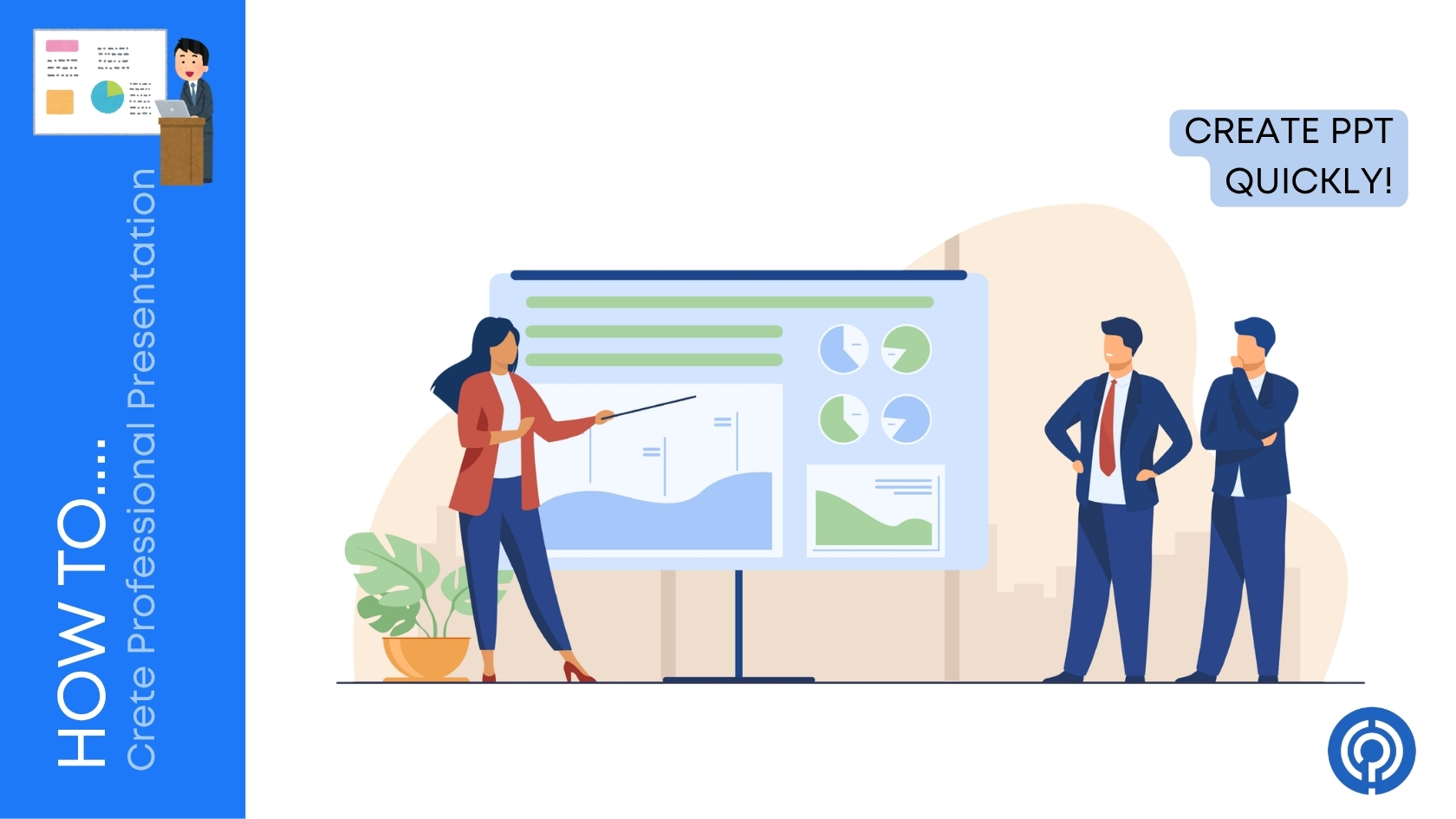
Let’s be entirely honest: almost everyone secretly dreads building slide decks. It is one of those professional tasks that somehow manages to swallow up an entire afternoon, leaving you staring at blank layouts, fighting with text wrapping, and second-guessing your font choices. You start with a simple idea and end up hours later with a messy, cluttered deck and a massive headache.
The good news is that putting together a stunning, high-impact presentation does not require you to be a master graphic designer or spend days tweaking margins. Once you establish a clean production system and lean on the right modern tools, you can easily pull together a polished, compelling slide deck in a fraction of the time. Let’s look at exactly how to streamline your workflow from scratch.
Outlining your narrative before touching a slide
The single biggest mistake that kills your speed is opening up presentation software and trying to design slides while you are still figuring out what you want to say. This causes you to constantly delete blocks, rearrange ideas, and waste hours on layouts that don’t even matter.
Before you click on a single template, open a completely blank text document or grab a physical notepad. Map out your core message using a raw, unformatted outline. Figure out your opening hook, your three main supporting points, and your final call to action. Think of this outline as the architectural blueprint for your presentation. Once your text narrative flows logically on paper, translating those ideas into visual frames becomes an incredibly fast, mechanical process of copying and pasting.
Sourcing a smarter, faster design workbench
You do not have to limit your creative process to the exact same default software setups that people have been running for the last twenty years. If your timeline is tight or your layout skills are rusty, a handful of specialized modern web platforms can tackle the heavy styling lifting for you.
For instance, if your presentation needs to move away from standard linear slideshow tracks, checking out an aggregator ecosystem like Slidedog.com is a fantastic move. The system lets you completely bridge different file types into one continuous media feed, so you can transition from an online web portal right into a crisp video clip or a text document without any awkward window-minimizing pauses in front of your crowd.
When you are facing a truly brutal turnaround deadline and need a platform to essentially handle the design math for you, leaning on Beautiful AI is an absolute lifesaver. It relies on an smart, adaptive layout design tool that resizes frames, cleans up spacing, and shifts your elements around in real time as you add text, completely removing the frustration of manual tweaking.
On the flip side, if your presentation relies mostly on highly cinematic, striking visual elements with very minimal copy, tools like Haiku Deck keep your slides clean by matching your primary keywords with high-quality photography to ensure your audience pays attention to your voice rather than reading text blocks.
Mastering motion without looking cheesy
Once your core content is securely pasted into your layouts, adding subtle movement can dramatically improve how your audience retains information. However, this is the exact stage where many presentations lose their professional edge.
To keep your audience engaged without distracting them, it helps to understand the underlying mechanics of visual pacing. Learning the proper techniques on how to add animations and transitions to a presentation transforms your deck from a static file into a dynamic story. The key is absolute restraint; movement should only be used to guide the viewer’s eye to a key statistic or mirror a shift in your speaking topic, never just to make elements wiggle on screen for the sake of it.
Keeping your layout scannable and clean
Your slides are meant to support your speech, not replace it. If your audience is busy squinting at a tiny 10-point paragraph on your slide, they have completely stopped listening to what you are saying.
Stick to a strict structural rule of keeping only one core idea per slide. Use massive, high-contrast typography for your main takeaways and leverage white space aggressively to let the layout breathe. If you have a complex set of data points to share, break them up across three distinct, consecutive slides instead of jamming them into a single, unreadable spreadsheet view. A fast-moving presentation with twenty simple, clean slides feels significantly more energetic and professional than a slow, agonizing crawl through five hyper-cluttered pages.
Common speed-killing pitfalls to avoid
Fiddling with a million different color swatches is an absolute waste of energy. Pick a simple three-color theme before you even start—use one neutral tone for your background, a deep shade for raw text legibility, and a single vibrant color for key data highlights—then close the settings pane.
The same logic applies to choosing typography. Avoid hunting for obscure, fancy fonts and stick with universally supported, crisp options like Arial or Inter so your formatting doesn’t completely warp when you plug your file into a different laptop or projector system. Finally, step away from complex custom graphics that take an hour to piece together manually. If a metric matters, just print a giant, clean number right in the center of the frame. A single bold percentage statement connects with an audience way faster than a crowded bar chart ever will.
Summary takeaway
Creating an exceptional presentation quickly isn’t about rushing your design work or typing at lightning speeds. It is entirely about respecting the sequence of operations: locking down your narrative structure in plain text first, leveraging smart modern design tools to handle the layout math, and adding intentional, subtle motion to control the room’s attention span. By taking the pressure off the visual design process, you can save your mental energy for what actually closes the deal—delivering your message with total confidence.

Leave a Comment