You’re about to invest in a CRM system, but the big question hits: is it worth it for your business size? The answer depends a lot on whether you’re running a small team, a growing mid-sized company, or a large enterprise. Understanding average CRM ROI by company size helps you set realistic expectations and justify the spend to your team or investors.
Recent 2025 research shows CRM systems deliver strong returns across the board, but the numbers vary dramatically depending on your scale. Smaller businesses often see the highest percentage returns because they gain efficiency quickly, while larger enterprises benefit from massive absolute gains even if the percentage ROI looks more modest. Let’s dive into the data and what it means for your business.
What the Latest CRM ROI Data Shows?
The benchmark everyone quotes comes from Nucleus Research: businesses get back about $8.71 for every $1 spent on CRM on average. That’s solid, but it hides important differences by company size.
Small businesses (under 100 employees) tend to see explosive ROI, often 300% or more over a few years. This comes from automating basic tasks that eat up their limited time, like lead tracking and follow-ups. A Salesforce study found SMBs achieving 303% ROI over three years through better lead management and workflow automation.
Medium-sized companies (100-999 employees) land around 200-250% ROI. They benefit from sales productivity boosts and better forecasting, with payback typically within 12 months.
Large enterprises (1000+ employees) show more conservative percentages like 124% for traditional CRMs, but the absolute dollars are huge due to scale. AI-integrated systems push this higher, sometimes to 287%.
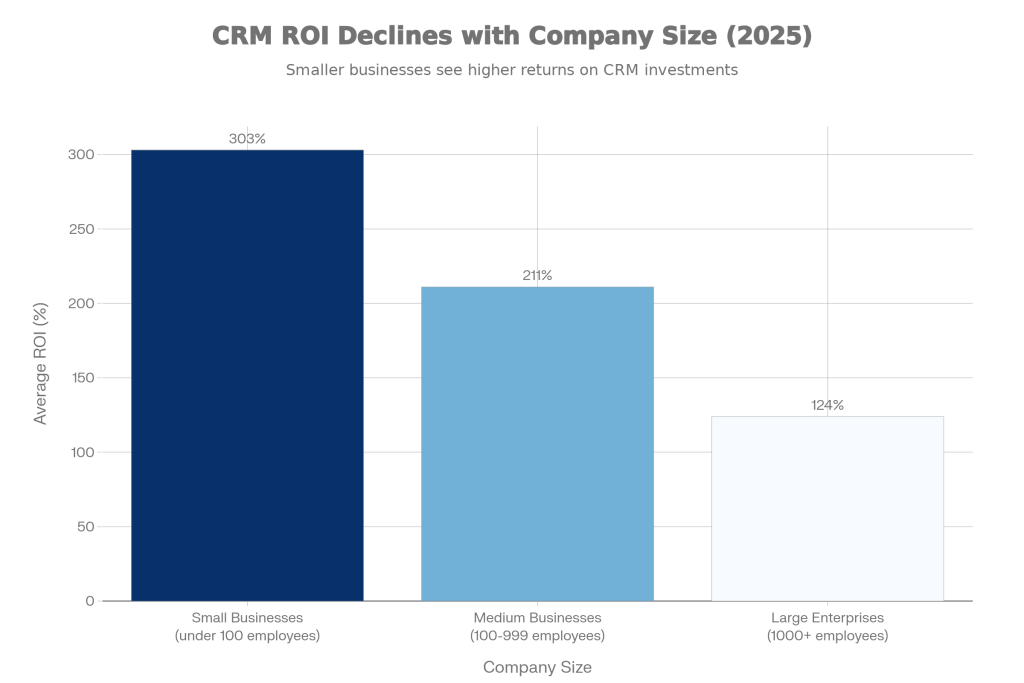
Chart showing CRM ROI varies significantly by company size, with smaller businesses seeing the highest returns
Small Business CRM ROI: Quick Wins, High Percentages
If you run a small business, CRM can be a game-changer. With limited staff, every hour saved on admin work goes straight to revenue-generating activities.
71% of small businesses now use CRM, and they see results fast. Studies show 303% ROI over three years for SMBs using platforms like Salesforce Essentials. Another example: a small consulting firm reported 998% ROI in 18 months by tripling leads and boosting productivity tenfold.
Why so high? Small teams eliminate manual spreadsheets and email chains. Lead conversion jumps 30%, response times drop, and sales cycles shorten. Payback often happens in 3-6 months.
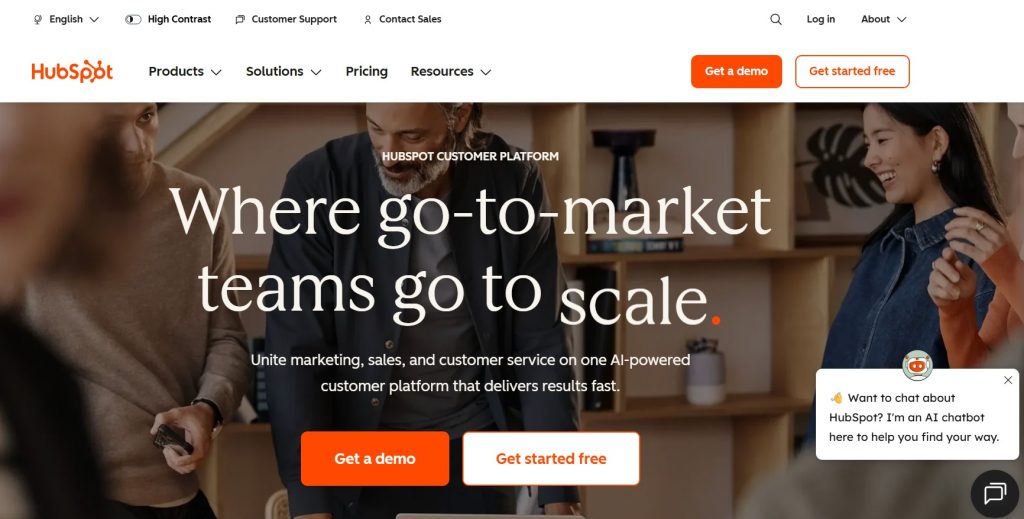
Popular choices for small businesses include HubSpot CRM (156% ROI benchmark) and simpler tools that don’t require IT teams. The key? Pick something user-friendly that your team actually adopts from day one.
Medium-Sized Business: Balanced Growth and Efficiency
Mid-market companies sit in the sweet spot. You have enough complexity to need CRM but not so much that implementation becomes a nightmare.
Average ROI here hovers around 211%, according to CRM benchmarks. Nucleus Research highlights Microsoft Dynamics users getting 16.97x returns, often with payback in under a year. Mid-sized firms see 29% sales revenue increases and 27% better customer retention.
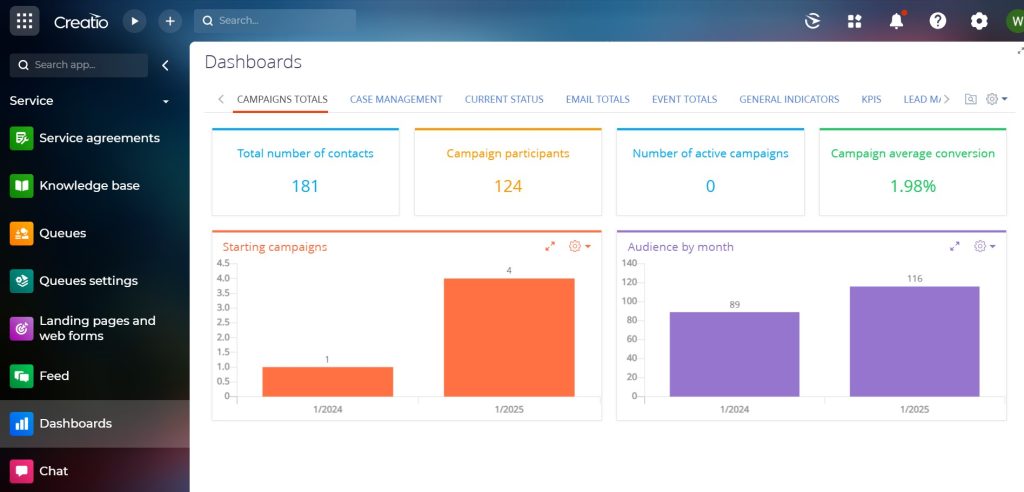
Automation shines here: reduced data entry frees sales reps for more calls, while dashboards improve pipeline visibility. Forrester notes 341% ROI over three years for Salesforce Lightning in this segment, driven by faster decisions and productivity gains.
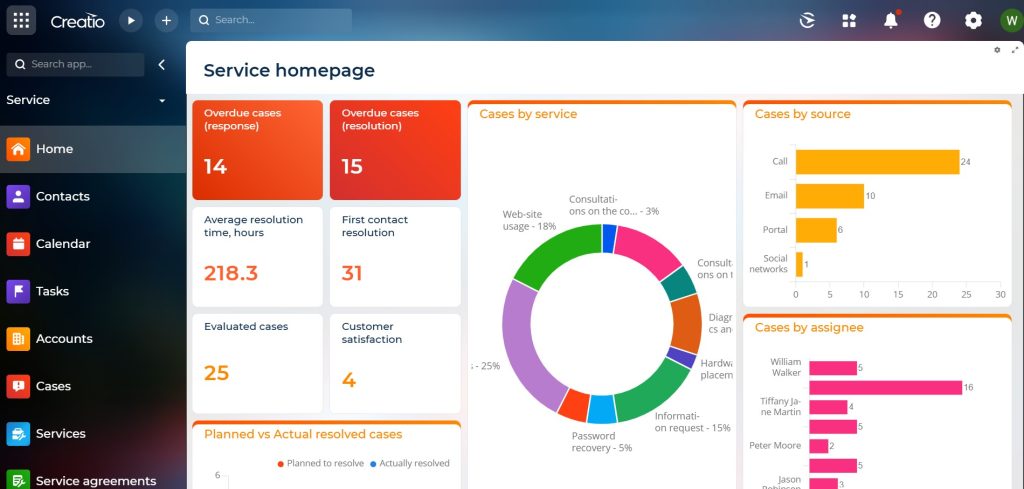
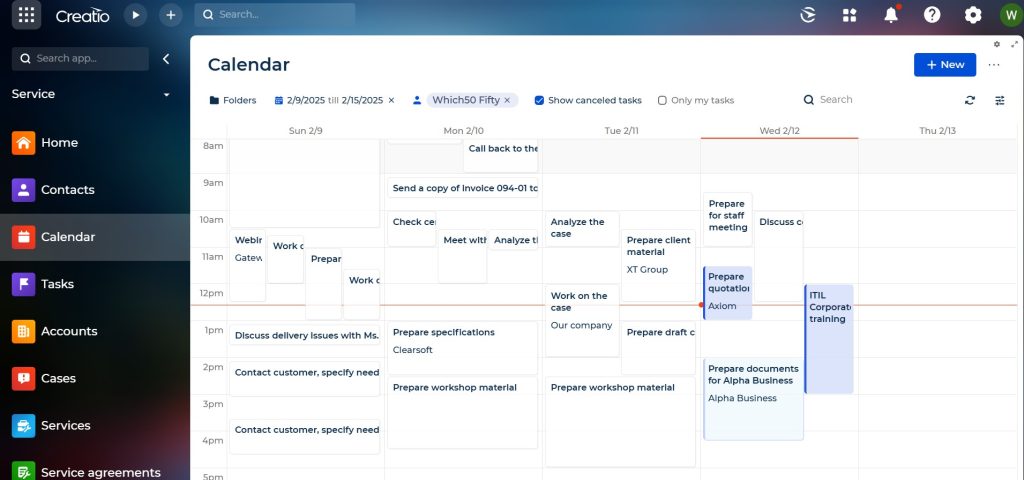
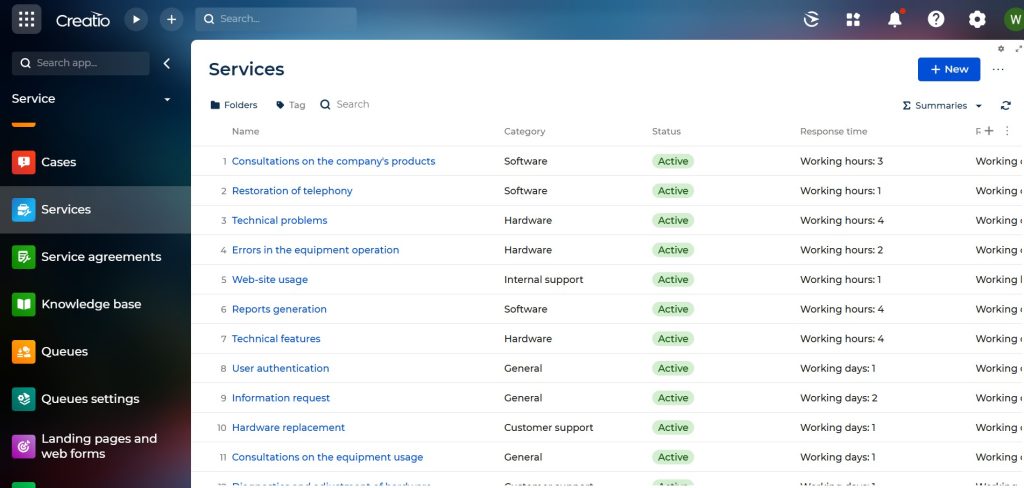
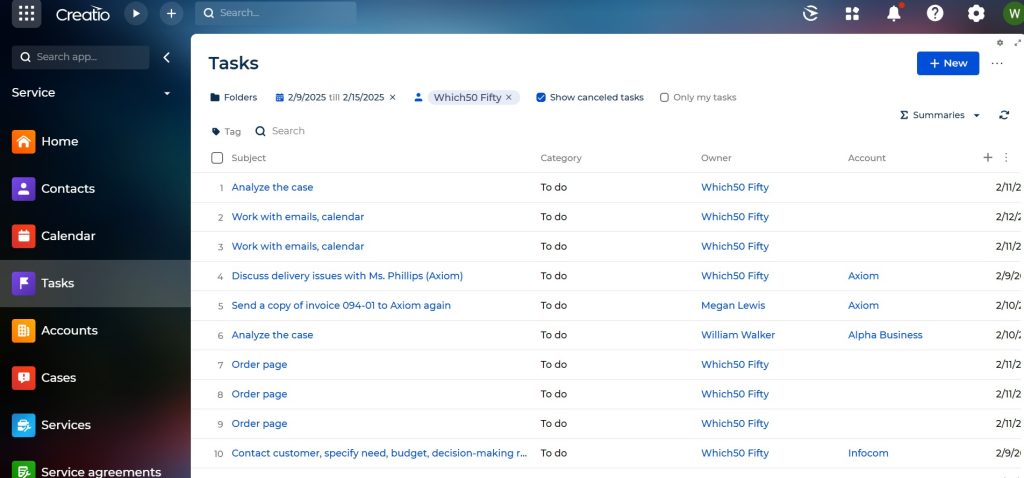
For mid-sized teams, focus on integration with existing tools. Platforms like Creatio CRM or Pipedrive deliver strong ROI without enterprise-level complexity. Expect full value in 12-24 months.

Enterprise-Level ROI: Scale Makes the Difference
Large companies invest millions in CRM, so their ROI percentages look lower (124% for traditional systems), but the absolute impact is massive.
Enterprises benefit from cross-department integration: sales, service, marketing all unified. Nucleus case studies show triple-digit returns like 139% ROI with $1M+ annual benefits. AI CRMs boost this to 287% by predicting customer behavior and automating at scale.
Challenges? Longer implementation (9-18 months) and higher costs. But McKinsey notes data-driven B2B engines deliver 15-25% EBITDA growth. Salesforce reports 299% ROI for Marketing Cloud in enterprises.
Success tip: Prioritize user training. High adoption turns these investments into revenue machines.
Factors Driving ROI Differences by Size
Why do smaller companies win on percentage ROI? Lower baseline costs and faster adoption. A $10K CRM spend yielding $40K revenue gain is 300% ROI. Enterprises spend $1M but gain $10M+ – still transformative, just different math.
Common drivers across sizes:
- User adoption: Biggest factor. High utilization triples ROI.
- Implementation quality: Phased rollouts beat big-bang launches.
- AI integration: Adds 22% to customer lifetime value.
- Training: 65% of small business success ties to this.
Cloud-based CRMs (87% of market) speed ROI vs. on-premise.
How to Calculate Your Own CRM ROI?
Use this simple formula: ROI = (Revenue Gain + Cost Savings – CRM Costs) / CRM Costs x 100.
Track metrics like:
- Sales revenue increase (29% average)
- Time saved per rep (18% more selling time)
- Customer retention lift (27%)
- Lead conversion boost (up to 300%)
Tools like Nucleus Research benchmarks help compare your results.
Maximizing Your CRM ROI No Matter the Size
Start with clear goals: What problem does CRM solve for you? Align it to revenue or efficiency.
Invest in change management. 89% of Salesforce users see positive ROI when adoption is strong.
Measure monthly. Adjust based on data. Small tweaks like better lead scoring can add 18% retention.
The data proves it: CRM delivers, but your size shapes the timeline and magnitude. Whether you’re a scrappy startup chasing 300% returns or an enterprise building multimillion gains, pick the right system, get your team onboard, and watch the numbers grow. Your next board meeting will thank you.
Wrapping Up the Numbers
These ROI figures paint a clear picture: no matter your company size, CRM investments pay off when done right. Small businesses get those eye-popping percentages because every efficiency gain hits hard. Mid-sized teams find that perfect balance of growth and scalability. Enterprises turn massive data into massive revenue.
The real takeaway? Focus on adoption and measurable goals over chasing benchmark numbers. Track your wins, tweak what’s not working, and scale what does. Whether you’re starting small or running a corporate giant, the right CRM setup turns customer relationships into your biggest asset. Time to crunch those numbers for your own team and get started.


Leave a Comment