A client of mine lost 11,000 dollars in a single month to chargebacks. Not because they were selling junk or scamming people. They had a great product, happy customers, and a clean return policy. The problem? Their billing descriptor — the name that appears on credit card statements — was the parent company’s legal name, not the brand name customers actually recognized. So buyers saw an unfamiliar charge, panicked, and called their bank instead of checking their email.
That one fix — changing the billing descriptor to match the storefront name — cut their chargebacks by over 60 percent in six weeks.
Most chargeback losses come from avoidable operational gaps, not actual fraud. And most businesses only start paying attention after they’ve already crossed the threshold where their payment processor starts threatening to drop them.
Here’s how to handle disputes when they land, how to actually win them, and — more importantly — how to stop them from happening in the first place. We’ll cover the process across platforms like Stripe, PayPal, Shopify, and Square.
Why Chargebacks Are Not the Same as Refunds
This trips up a lot of first-time store owners. A refund is between you and the customer. A chargeback is between you and the customer’s bank — and the bank is not on your side.
When a buyer disputes a charge, their card issuer temporarily pulls the money from your account and opens an investigation. You get a notification from your payment processor with a reason code and a deadline to respond. If you don’t respond, or your evidence is weak, you lose the money plus a chargeback fee — typically 15 to 25 dollars per dispute depending on your processor.
Stack up enough chargebacks relative to your transaction volume and you hit what the card networks call an “excessive chargeback” threshold. Visa flags merchants at 0.9 percent. Mastercard’s threshold sits at 1.5 percent. Cross those lines and you’re looking at monitoring programs, higher processing fees, and in the worst case, account termination.
The Three Reasons Chargebacks Actually Happen
Forget the dozens of reason codes the card networks use. In practice, chargebacks boil down to three root causes.
- Friendly fraud is the biggest one, and the name is misleading because there’s nothing friendly about it. The customer received the product, used the service, or consumed the content — and then filed a dispute anyway. Sometimes it’s intentional (“I’ll just say I never got it”). Sometimes genuine confusion (“I don’t recognize this charge”). Either way, it’s your job to prove delivery and authorization.
- Merchant error covers everything from duplicate charges and incorrect amounts to not processing cancellations or refunds fast enough. If a customer cancels their subscription on Tuesday and you bill them again on Wednesday because your system runs on a different timezone, that chargeback is entirely on you.
- True fraud — stolen card numbers, account takeovers, unauthorized purchases — is the smallest category for most legitimate businesses but the one people worry about most.
Responding to a Dispute: What Actually Wins
You typically get 7 to 21 days to submit a rebuttal, depending on the card network and reason code. Here’s what a winning response looks like.
Preview unavailable
Start by pulling together your paper trail. For physical items, grab the tracking link, signature confirmation if you have it, and any emails where the customer says “thanks, got it.” Selling software or courses instead? You will need login logs, IP addresses, download stamps, or usage reports that prove they actually logged in and used what they bought.

Match your evidence to the specific reason code. If the dispute says “product not received,” shipping proof is your primary weapon. If the customer claims the product wasn’t as advertised, you have to prove your sales page, checkout terms, and emails told them exactly what they were getting.
Using a CRM like EngageBay to log every customer interaction — emails, chat transcripts, support tickets — gives you a searchable evidence archive when disputes hit. Having that paper trail organized and ready before a dispute arrives is the difference between scrambling and submitting a clean rebuttal in twenty minutes.
Write a clear, factual cover letter summarizing your case. Banks review hundreds of disputes daily. A concise rebuttal with labeled evidence sections wins more than a rambling five-page essay.
Platform-Specific Dispute Handling
Different payment processors handle disputes differently, and knowing the workflow saves critical time.
Preview unavailable
On Shopify, disputes land right in your main admin area under the orders tab. The platform pulls in tracking details and customer emails automatically, giving you a pre-filled form to submit.

Stripe sends a webhook notification and gives you the Stripe Dashboard to upload evidence. Stripe also offers Radar, their built-in fraud detection engine, which flags suspicious transactions before they process — catching problems before they become disputes.
PayPal has its own Resolution Center where disputes follow a slightly different flow. PayPal often mediates between buyer and seller before escalating to a formal claim, giving you a short window to resolve things directly.
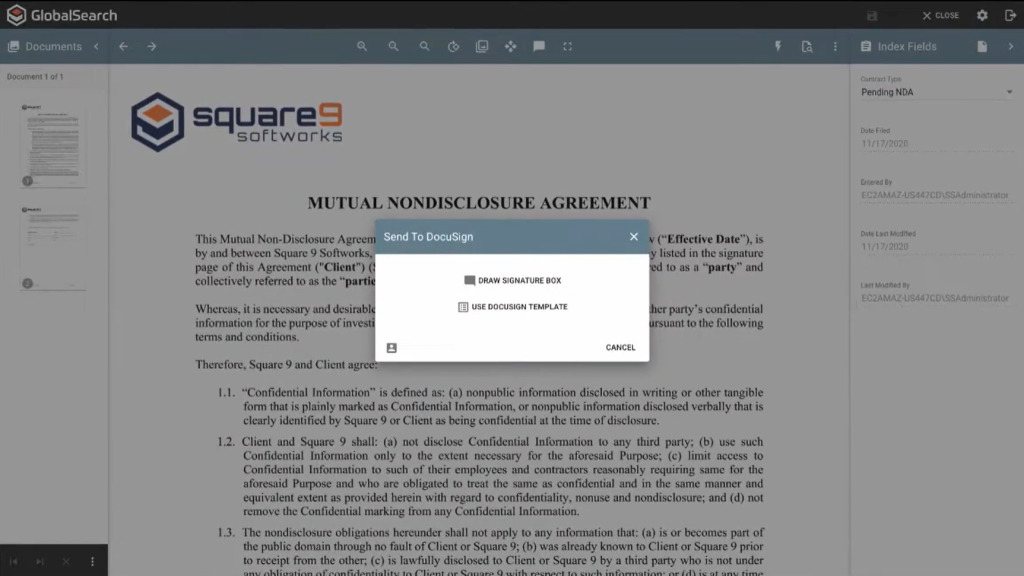
For businesses running on Square, disputes show up in the Square Dashboard and Square handles the submission process to the card network on your behalf after you upload your evidence.
Processors like Authorize.net and Adyen provide similar dispute management portals with deadline tracking and reason code explanations.
Wrap Up
Winning disputes is good. Not getting them in the first place is better. Here’s what actually reduces chargeback volume:
- Fix your billing descriptor. This sounds trivial but it’s responsible for a shocking number of “I don’t recognize this charge” disputes. Make sure the name on the credit card statement matches what the customer expects to see.
- Send proactive email updates. If a buyer knows exactly when their order ships, where the package is, or when their card will be billed for a subscription renewal, they have no reason to call the bank. Setting up these automatic touchpoints in tools like Klaviyo or Omnisend stops statement confusion before it starts.
- Make refunds easy to find. If a customer can’t find your return policy or your refund request form requires a phone call during business hours, they’ll skip you entirely and go straight to their bank. A visible, self-service refund process reduces disputes significantly.
- Respond to customer questions fast. A huge percentage of chargebacks start as unanswered support emails. The buyer reaches out, gets no reply for three days, and files a dispute out of frustration. If your team handles high ticket volumes, setting up response templates speeds things up dramatically. Check out this guide on how to create chat shortcuts for common questions for practical shortcuts.
Track your chargeback ratio weekly, not monthly. By the time you notice a problem in monthly reports, you’ve already accumulated enough disputes to trigger processor warnings. For more on keeping operational metrics visible, read this guide on how to monitor support ticket response times.
The stores that win the chargeback game aren’t the ones with the best legal departments. They’re the ones with clear billing, fast support, and enough documentation to prove every transaction. Get those basics right and most disputes resolve themselves before they ever reach a bank.



Leave a Comment