My cousin runs a small sporting goods store. Last year, she had a big problem.
A customer came in for a specific pair of running shoes. The computer said she had 4 pairs in stock. But when the staff went to the shelf? Nothing. Zero pairs. The customer left angry. My cousin lost the sale. And she had no idea why the numbers were wrong.
This happens all the time. To shops, warehouses, and online businesses everywhere. And it costs a lot of money.
The good news? You can fix it. And the fix is simpler than you think.
What Is Inventory Accuracy, Anyway?
Inventory accuracy means your records match reality. If your system says you have 50 red t-shirts, you actually have 50 red t-shirts on the shelf. Not 42. Not 63. Exactly 50.
Simple, right? But most businesses are nowhere close.
According to research from the Warehouse Education and Research Council (WERC), the average business only has 63% to 75% inventory accuracy. That means for every 100 items in their system, 25 to 37 of those records are wrong!
Think about that. One in four items is a lie.
Top businesses — the really good ones — hit 95% accuracy or higher. The very best reach 99%. So there’s a huge gap between the average business and the best ones. And that gap costs real money.
Why Does This Matter So Much?
Here’s the scary part. Bad inventory numbers don’t just mess up your warehouse. They hurt your whole business.
Wrong numbers cause stockouts. Stockout: a customer wants to buy something, your system says it’s available but it’s not. The customer leaves upset. You lose the sale. That’s painful.
Research from IHL Group found that retail businesses worldwide lose about 1.1 trillion USD every single year because of inventory problems. That includes both stockouts and overstock. Stockouts alone eat up around 634 billion USD in lost sales. These aren’t small numbers. These are enormous amounts of money walking out the door.
Wrong numbers also cause overstock. That’s when your system thinks you’re running low, so you order more. But you already have plenty sitting somewhere in the warehouse. Now you’ve spent money you didn’t need to spend. You’ve got stuff sitting around costing you storage fees. And eventually you might have to mark it all down just to get rid of it.
Bad accuracy also slows down your workers. If a picker goes to find a product and it’s not where the system says it is, they waste time searching. More errors mean more searching. More searching means slower fulfilment. Slower fulfilment means unhappy customers.
What Actually Fixes It?
Okay, here’s the fun part. The fixes aren’t complicated. Let’s go through the big ones.
- Count your stock more often. Most businesses do one big count per year. This is called a physical count. It’s exhausting, it takes the whole team, and it only gives you accurate data once every twelve months. A much better approach is called cycle counting. Instead of counting everything at once, you count a small section of stock every day or every week. You rotate through everything over time. Businesses that switch to cycle counting see accuracy jump by 20 to 30 percentage points within the first year. That’s massive!
- Use barcodes and scanners. When humans write things down by hand, mistakes happen. People write the wrong number. They skip items. They record something twice. Barcode scanners take humans out of that equation. Every item gets scanned when it arrives. Every item gets scanned when it leaves. Studies from the Auburn University RFID Lab found that RFID tracking (a more advanced version of scanning) cuts shrinkage by up to 55% and improves how often items are exactly where they should be by 96%. Scanning works. Full stop.
- Update your numbers in real time. Some systems update inventory counts in batches — meaning the computer updates its records every few hours, or once a day. During those gaps, things can go wrong. Items get sold but the numbers haven’t updated yet. Items get received but the system doesn’t know. Real-time systems update the second something changes. They’re much more accurate because there’s no delay for errors to sneak in.
- Fix receiving first. Here’s a secret that most businesses don’t realise. Most inventory errors start at the loading dock. When products arrive, if someone writes down the wrong quantity, or puts an item in the wrong location, that mistake travels through your entire system forever. It causes problems weeks or months later that nobody can trace back to the source. If you want to improve accuracy fast, start by being very strict about how you receive stock. Check every item. Scan everything. Flag any discrepancy on the spot.
How Different Industries Perform
Not every industry is the same. Some have much harder inventory challenges than others.
Grocery stores deal with thousands of items that expire quickly. They buy and sell enormous quantities every single day. It’s no surprise that grocery accuracy rates are often below 70%. There are just so many moving parts.
Clothing and shoe retailers have a different problem. One shoe comes in ten sizes and five colours. That’s fifty separate items just for one style! Without RFID scanning, they typically land between 65% and 80% accuracy. With RFID, they jump to 92% to 97%.
Industrial suppliers — companies that sell parts and equipment to other businesses — usually have fewer items but higher-value ones. They tend to hit 80% to 88% accuracy naturally. Their best performers reach 98% to 99%.
Hospitals and pharmacies need the highest accuracy of all. When you’re tracking medication, getting it wrong has serious consequences. That’s why healthcare inventory accuracy usually stays above 97%. The rules are strict. The stakes are too high for anything less.
Three Tools That Help You Track Inventory Better
Cin7
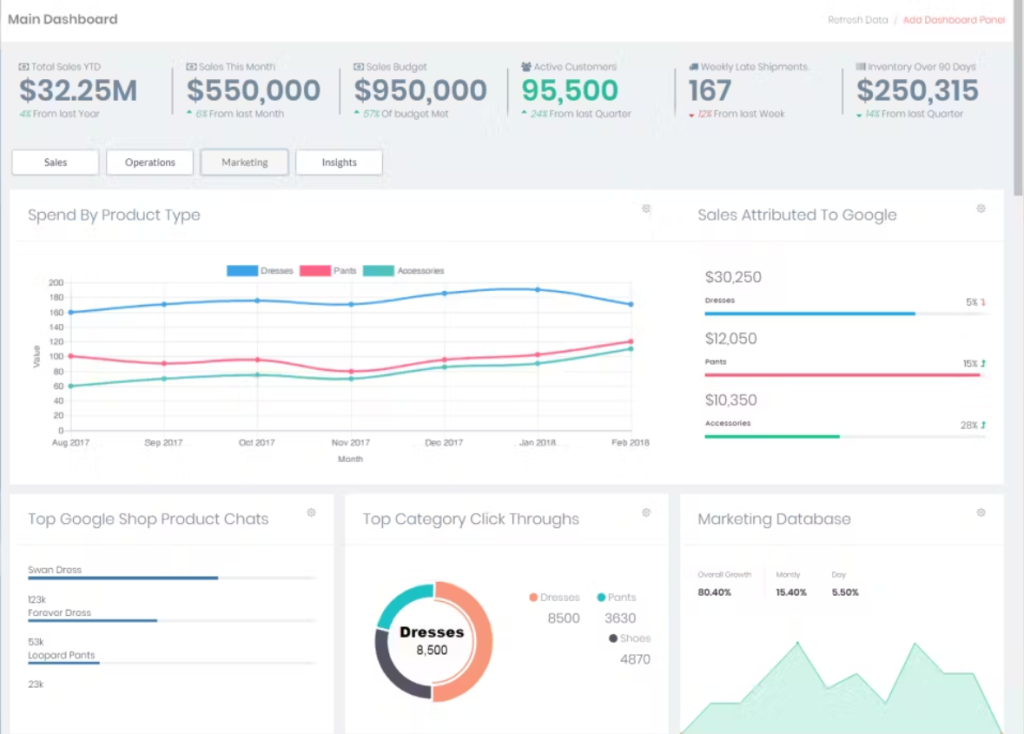
Cin7 is a great option if you’re selling in more than one place. Maybe you have a warehouse, a retail store, and an online shop. Cin7 connects them all. When something sells in one place, every other location knows immediately. You can also use barcode scanners with Cin7 to track every item as it moves in and out. This creates a record of every single transaction — so if something goes wrong, you can find exactly where the error started.
Shopify
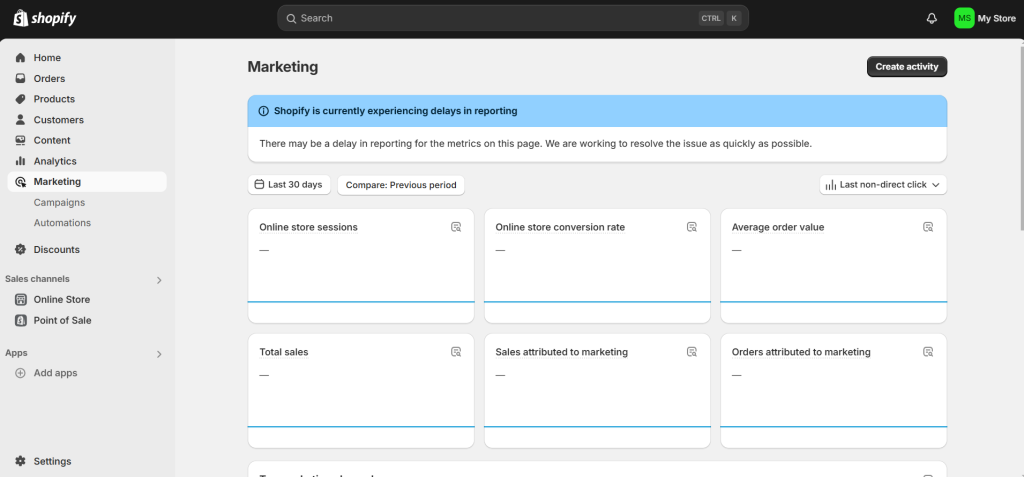
Shopify updates your stock numbers every time something is sold, returned, or received. If you’re running an online shop, this is really important. Nothing is more frustrating for a customer than buying something online, only to be told it’s out of stock after they’ve already paid. Shopify also sends you alerts when stock gets low, so you never get caught off guard. And if something looks off, you can check the inventory history to see every movement for that item.
Zoho Inventory
Zoho Inventory is perfect if you’re a smaller business that wants powerful features without a huge price tag. It lets you do cycle counts, track items by exact location within your warehouse, and see your inventory in real time. Tracking by location matters more than people realise. Sometimes a product isn’t actually missing — it’s just in the wrong spot! With bin-level tracking, Zoho helps you find it instead of writing it off.
How Fast Can You Improve?
Here’s something encouraging. You don’t have to wait years to see results.
Businesses that start doing cycle counts AND scan-based receiving at the same time usually see accuracy climb from below 75% to above 90% within six to nine months. That’s a huge leap in less than a year.
Getting past 95% takes a bit more work — usually real-time system updates and tighter processes for multichannel selling. And reaching 98% or higher typically means adding bin-level location tracking and doing regular process audits.
But the point is: every step you take makes a measurable difference. You don’t have to solve everything at once.
If you’re also thinking about which selling platform to use alongside your inventory system, our guide on the best e-commerce platforms for small sellers walks through how different platforms handle stock tracking across channels.
Facts
| Topic | Key Stat or Takeaway |
|---|---|
| Average inventory accuracy | 63% to 75% across retail and distribution |
| Best-in-class accuracy | 95% to 99% with proper systems in place |
| Annual cost of inventory distortion | 1.1 trillion USD globally (IHL Group) |
| Stockout cost alone | ~634 billion USD in lost sales per year |
| Cycle counting improvement | 20 to 30 percentage points within first year |
| RFID scanning impact | Up to 55% shrinkage reduction, 96% on-shelf availability |
| Grocery industry accuracy | Often below 70% |
| Apparel with RFID | 92% to 97% accuracy |
| Healthcare accuracy | 97% or above (regulatory requirement) |
| Realistic timeline to 90%+ | 6 to 9 months with cycle counting and scan-based receiving |
Conclusion
Inventory accuracy sounds boring. But getting it right makes everything else easier. Fewer stockouts. Fewer unhappy customers. Less wasted money. Less time your team spends searching for things that should be easy to find. Start counting more often. Start scanning everything. Get a system that updates in real time. You’ll see the difference faster than you expect.



Leave a Comment