How well your marketing performs has almost nothing to do with how loud you can shout. It has everything to do with who you are actually talking to and what you say the moment you get their attention.
We’ve all been on the receiving end of a lazy, one-size-fits-all email blast. You buy a single pair of running shoes from an online store, and for the next six months, your inbox is completely flooded with daily promotions for winter heavy-duty jackets, professional soccer cleats, and children’s sandals. It’s annoying. It feels completely spammy. Eventually, you don’t even bother opening the emails anymore—you just search for that tiny, faded “Unsubscribe” button at the bottom of the page and vanish forever.
When you treat your entire audience like a single, identical monolith, you are actively burning your brand’s reputation and throwing money directly out the window. That is exactly where audience segmentation steps in to rescue your metrics.
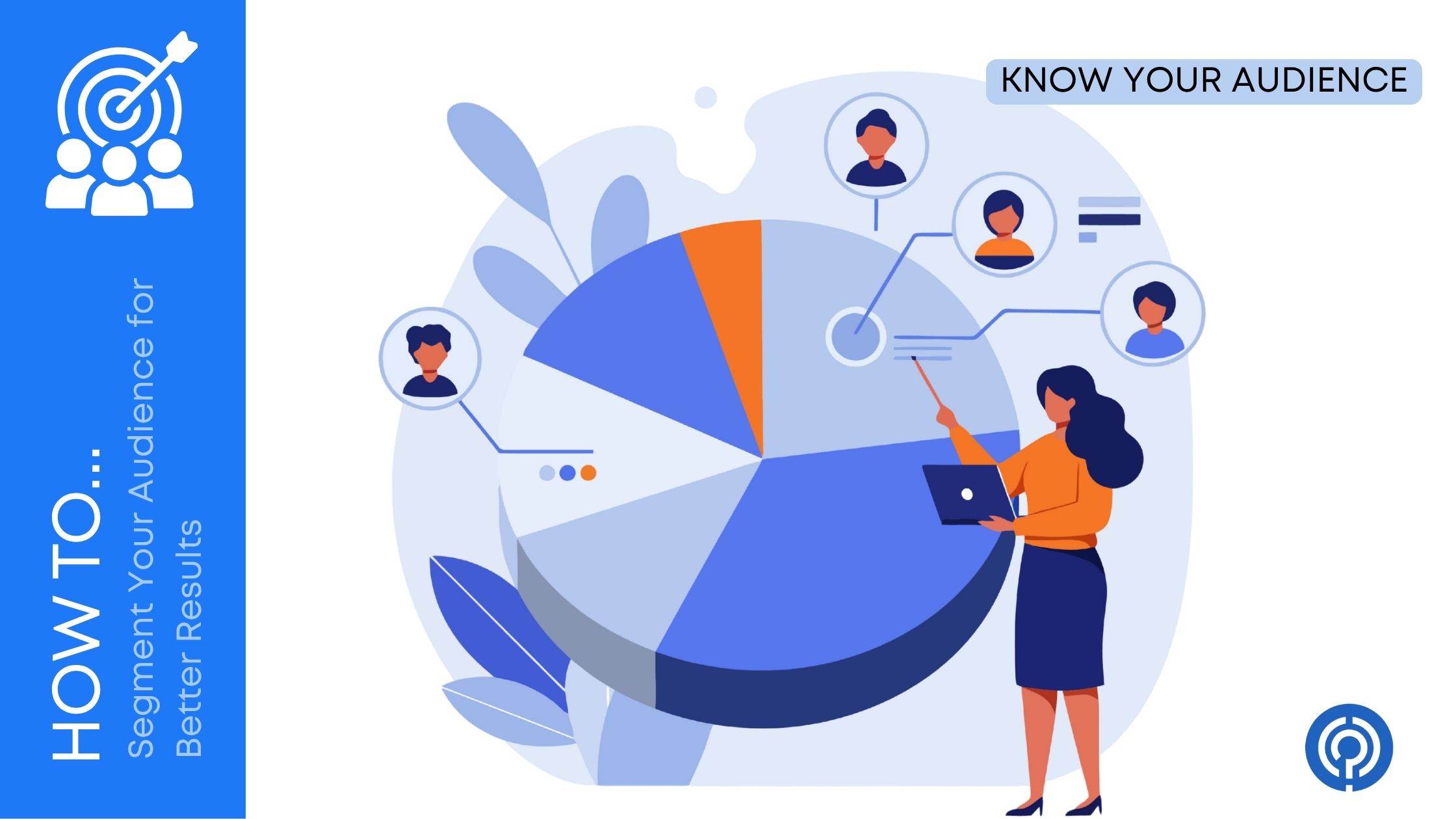
Instead of throwing a single generic message into a crowded room and praying that someone pays attention, segmentation allows you to split your broad audience into smaller, highly focused groups. You separate them based on what they actually care about, how they behave on your website, and where they currently stand in their buying journey.
When you do this correctly, everything shifts. Your open rates climb, conversion rates steady out, and customer loyalty goes up—all without forcing you to expand your marketing budget by a single dollar.
This guide walks you through a practical, no-nonsense approach to audience segmentation. We will break down how to slice your data step by step so you can finally start pulling real, predictable results from every single campaign you launch.
What Is Audience Segmentation (Without the Corporate Fluff)?
Let’s skip the confusing textbook jargon. Audience segmentation is simply the process of taking your massive, messy master list of contacts and breaking it down into smaller pockets of people who share distinct, unmistakable traits. Once those pockets are built, you adapt your content, copy, and specific offers to speak directly to those sub-groups.
Think of it like this: your business stops operating with one massive, chaotic list. Instead, you develop multiple intelligent segments that update themselves automatically as users interact with your brand.
Every single cluster gets content that feels entirely relevant to their current life situation instead of a random broadcast. You can segment your audience based on several core pillars:
- Who they are fundamentally (their baseline demographics or industry roles).
- What they are actively doing on your web properties right now.
- Their explicit purchase history and past actions with your brand.
- The exact pain points, bottlenecks, or daily struggles they are trying to solve.
The logic here is incredibly simple: when your message matches the exact psychological state of the person reading it, your campaign performance improves almost instantly. It isn’t magic. It’s just basic human communication.
It’s All About Reversing the Interrogation
Most companies design their marketing flows like a sterile corporate interrogation. They demand information, blast out promotion after promotion, and wonder why their engagement numbers are tanking.
True segmentation flips that script. It makes your marketing feel like a fluid, ongoing conversation. When a subscriber interacts with your ecosystem, your backend software takes a quiet note, adjusts their profile, and alters the next message they receive to fit that action. It makes the entire digital experience feel personal, thoughtful, and highly tailored.
Why Segmentation Matters So Much for Your Bottom Line
If you are still blasting out identical email sequences, social ads, or newsletter updates to every single person in your database, you are leaving an unbelievable amount of money on the table. It’s a waste of energy.
Look at what happens the exact moment a business transitions away from blanket broadcasts and moves toward targeted segmentation:
- Your Engagement Rates Skyrocket: You’ll immediately start seeing significantly higher open rates, deeper click-through metrics, and real email replies. Why? Because the person on the other end feels like you are writing a personal letter directly to them about a problem they are dealing with today.
- Conversion Metrics Clear the Runway: Instead of pitching a premium enterprise software tier to a broke freelancer who just signed up for a free trial, you can route your offers precisely. Your high-ticket pitches go to enterprise buyers, while your starter discounts target small business owners. The offer matches the intent.
- Your Unsubscribe Rates Drop to Zero: People don’t hit the unsubscribe button because they hate hearing from brands. They hit it because they are exhausted by irrelevant noise. When every message you send delivers actual utility or matches their exact product interests, they welcome your notifications.
- Massive Extraction of Customer Lifetime Value (LTV): You can cross-sell, run hyper-targeted upsell campaigns, and win back slipping accounts far more effectively when your platform tracks exactly what each customer bought in the past.
- Crystal-Clear Operational Insights: You’ll finally stop guessing what works. By looking at your segments cleanly, you can see exactly which customer personas generate the highest margins and which groups are a total waste of your ad spend.
Transitioning to segmentation is the digital equivalent of stopping your habit of screaming through a megaphone in a packed stadium and instead sitting down for a focused, one-on-one coffee conversation with a highly interested buyer.
The Primary Types of Audience Segmentation Explained Simply
You do not need to execute every single type of segmentation outline simultaneously on your very first day. That is an easy path to operational burnout. Start small by selecting one or two frameworks that make the most logical sense for your current business model.
1. Demographic Segmentation
This is the absolute baseline of data organization. You break your list apart using surface-level characteristics like age, location, gender, income tier, or specific job titles.
For example, a high-growth B2B business might slice their master database by job roles: founders, operations managers, and accounting heads. Each role gets a completely distinct content track. The founder receives emails focusing on high-level scaling and revenue generation. The operations lead gets technical workflows showing how to save time. The accounting head receives compliance and budget-tracking content.
Demographics are a great jumping-off point, but they are shallow on their own. Two people can be the exact same age, live in the same city, and hold the same job title, yet approach a buying decision with entirely opposite mindsets.
2. Geographic Segmentation
This framework groups your audience based on physical geography—their country, province, time zone, local climate, or urban density.
This layout is non-negotiable if your pricing metrics, regional languages, or shipping windows fluctuate by location. A major e-commerce storefront will naturally monitor this data closely to route their product drops accurately. Sending a promotion for heavy down parkas to your audience in southern Florida during July is a massive waste of ad credits. You route those coats to your audience in chilly regions while sending swimwear collections down south.
3. Psychographic Segmentation
Psychographics dive straight into the internal mind of your audience. You slice your list based on core personal values, creative interests, lifestyle choices, political or social beliefs, and deep personality traits.
Consider a premium athletic apparel brand. Instead of blasting every subscriber with generic gym clothes, they segment their list into distinct psychographic profiles:
- The hyper-competitive, performance-focused athlete who cares about technical specs, data tracking, and winning.
- The busy, high-stress professional who just wants quick, efficient 20-minute home workouts to stay healthy.
- The complete beginner who feels incredibly intimidated by gym culture and wants soft, comfortable activewear alongside gentle, encouraging routines.
The copy, imagery, and product hooks used for each of these three groups will sound completely different because you are appealing to entirely unique emotional drivers.
4. Behavioral Segmentation
Behavioral tracking is easily one of the most lethal tools in your marketing toolkit. Why? Because it focuses entirely on what people actually do, rather than what they say they care about in a survey field.
You can build behavioral segments using direct data inputs:
- Granular Web Activity: Tracking the exact product pages they browse, how long they stay on your site, and what specific resources they download.
- Email Interaction History: Monitoring who opens every update, who clicks every deep link, and who ignores your subject lines for a month straight.
- Purchase History Tracking: Isolating your high-spending VIP buyers from your one-time discount shoppers and your completely cold leads.
A subscriber who visits your detailed software pricing grid three separate times over a 48-hour window is sending an unmissable behavioral signal. They shouldn’t be receiving basic top-of-funnel educational blog summaries anymore. They need to be automatically pushed into a “Hot Lead” segment that triggers a direct, personalized reach-out from an agent or a time-sensitive trial incentive.
To execute this level of behavioral tracking flawlessly across your entire pipeline, you need a heavy-hitting system that records data in real time. Deploying an enterprise engine like Salesforce gives your team a unified view of every single digital action a user takes, allowing you to trigger hyper-specific behavioral campaigns automatically.
5. Firmographic Segmentation (For the B2B Playground)
If you sell your services to other corporations instead of casual retail consumers, firmographics are your best friend. Think of firmographics as demographics for companies. You filter your targets using data points like total employee count, vertical industry, annual revenue metrics, physical location, and their existing technology stack.
An enterprise software company will structure completely unique sales funnels for a scrappy 5-person startup versus a massive 10,000-employee conglomerate. The startup needs to hear about low costs, rapid setup, and agility. The enterprise needs to hear about data security compliance, custom API integrations, dedicated account managers, and robust service level agreements (SLAs).
6. Lifecycle or Journey-Based Segmentation
This focuses entirely on the current health of your relationship with a contact. Where do they stand right this second? Are they a fresh lead who discovered your brand five minutes ago, an active trial user, a first-time buyer, a loyal brand advocate, or an at-risk customer who hasn’t opened an app notification in three months?
Every single milestone requires a completely unique messaging strategy. Fresh leads need low-friction educational content that builds authority. New buyers need smooth, delightful onboarding instructions to ensure they get value from their purchase. Slipping, cold customers require automated win-back campaigns packed with honest check-ins or customized loyalty incentives to pull them back into the loop before they churn completely.
Step-by-Step: How to Segment Your Audience Like a Professional
Building an advanced segmentation framework doesn’t have to turn into an administrative nightmare. Follow this clean, step-by-step production process to get your tracking operational without breaking your current systems.
Step 1: Establish Your Core Growth Goals
Before you write a single line of copy or build a rule inside your marketing dashboard, define exactly what metric you are trying to move. What is the bottleneck in your business right now?
- Are you trying to lift your email open rates across a stale newsletter?
- Do you need to convert free trial users into paying premium subscribers?
- Are you focused on driving repeat purchases from past holiday shoppers?
Your specific operational goal determines which segmentation rules are actually worth setting up. If you are trying to increase software trial upgrades, focus heavily on product usage behavior rather than geographic location.
Step 2: Audit Your Existing Data Stack
You can’t build smart segments if you don’t know what data you are actually pulling into your ecosystem. Sit down and look at what information is currently tracking across your email engine, your website analytics, your payment processors, and your customer relationship management software.
Take a good look at your current database fields:
- Do you have reliable tracking for physical locations and countries?
- Can you see the exact date a user last logged into their profile or made a purchase?
- Are you collecting job roles or industry descriptors on your lead generation forms?
Identify what data fields are clean, what data is old or corrupted, and what fields you can easily start collecting by making minor design modifications (like adding one single dropdown selector to your primary newsletter signup form).
Step 3: Pick 2 to 4 Strategic Segmentation Rules
Resist the urge to overcomplicate your layout on day one. It’s incredibly easy to spiral out of control and build forty distinct micro-segments that are impossible to manage manually. Start with a tight, highly actionable set of dimensions that directly serve the growth goals you established in Step 1.
If your core focus is maximizing retail revenue from an active customer list, you might want to look at a powerful, specialized platform like Klaviyo. It allows you to build highly dynamic segments based on exact purchase frequencies, total lifetime spend values, and real-time behavioral signals, making it incredibly straightforward to isolate your top-tier VIP spenders from your cold subscribers.
Step 4: Construct Your Initial Baseline Segments
Keep things dead simple when you start clicking around your email tools.
Once these baseline parameters are locked in, you can effortlessly launch distinct content updates. Send your high-value educational case studies exclusively to your leads to move them closer to a purchase decision, while rewarding your VIP whales with early access to a new inventory drop.
Step 5: Adapt Your Message for Every Unique Lane
Segmentation is completely useless if you don’t actually change your writing style to match the segment you built. For every bucket of users, take a moment to step into their shoes and run through a quick mental checklist:
- What does this specific user already know about our brand or product?
- What primary challenge are they desperately trying to solve this week?
- What hidden objection is stopping them from clicking our buy button?
- What is the absolute next logical step we need them to take?
Once you have those answers, rewrite your subject lines, adjust your central body copy hooks, and change your call-to-action buttons to fit that mindset perfectly.
Step 6: Hand the Heavy Lifting to Automation Engines
Trying to manually move names from one list to another as your company grows is a losing battle. It’s an absolute waste of time. You need to leverage smart software features inside your centralized tech stack to handle the transitions automatically behind the scenes.
If you are looking for a complete, all-in-one CRM workspace that grows with your team without unnecessary complexity, Hubspot is phenomenal. It lets you construct clean, rule-based workflows that automatically tag users, update their lifecycle stages, and route them into tailored email sequences the exact second they trigger a website goal or change their behavior.
If your marketing operation relies heavily on sophisticated behavioral triggers and advanced omni-channel automation, look into an agile automation engine like Active Campaign. This system allows you to map out incredibly detailed visual user journeys, updating lead scores and altering message paths dynamically based on how users interact with your links and forms.
For businesses looking to clean up their communications and execute high-volume email segmentation inside a highly intuitive interface, Mailchimp or Brevo are excellent choices. They strip away the steep learning curve of enterprise software, giving you simple tools to instantly build behavioral conditions, monitor list health, and deploy responsive transactional automations on autopilot.


The Dangerous Pitfalls That Will Tank Your Segmentation Strategy
Even highly sophisticated marketing teams occasionally fall into classic traps when organizing their databases. Watch out for these operational mistakes:
Over-Segmentation Madness
It is completely possible to take a good thing way too far. If you start slicing your data down until you have forty different segments that contain only twelve people each, you have built a logistical prison for yourself. You will spend all your time writing dozens of hyper-specific email variants for tiny audiences that don’t generate enough revenue to justify the labor. Start broad. Only split a segment into a deeper sub-pocket when you have an explicit, data-backed reason to do so.
Falling Into the Pure Demographic Trap
Relying entirely on demographic profiles is incredibly lazy marketing. Age, gender, and job titles don’t tell you anything about a user’s true motivations or real-time buying signals. Always pair your baseline demographic data with clear behavioral metrics (what pages they browse) and explicit lifecycle data (where they sit in your sales funnel) to build a multidimensional profile that actually converts.
Completely Ignoring Database Hygiene
If your underlying data stack is filled with corrupted fields, missing inputs, old dead email accounts, and duplicate contacts, your segmentation logic will completely break down. Make time once a quarter to run a deep cleaning process across your database. Purge dead contacts who haven’t opened an update in six months, standardize formatting across your industry and job title fields, and keep your primary list lean and highly responsive.
How to Roll Out Your First Segment Before You Go to Sleep Tonight
If all of this feels incredibly overwhelming, take a deep breath, close your extra browser tabs, and follow this dead-simple quick-start playbook to get your momentum rolling right now:
- Select a Single Metric to Fix: Choose something straightforward, like winning back cold contacts who haven’t interacted with your brand lately.
- Isolate Two Simple Groups: Open up your platform and build two clean lists: Group A consists of users who have opened an email in the last 30 days. Group B consists of users who haven’t clicked a single thing in over 90 days.
- Draft Two Targeted Notes: Send a valuable, high-utility tip update to your active fans in Group A. Send a blunt, raw, highly conversational check-in note to Group B (“Hey, let’s be honest. Are you still interested in learning about X topic?”).
- Launch and Observe: Run the campaign, let the data accumulate for a few days, and look at the performance gap.
Once you see the incredible lift in engagement that comes from making even a tiny, basic structural change to how you speak to your audience, you will never want to go back to sending a lazy, generic list blast ever again.
The Final Thought
Audience segmentation isn’t some complex corporate parlor trick reserved exclusively for Fortune 500 enterprises with massive data science budgets. It is the absolute foundation of modern, empathetic, and effective communication.
By taking the time to organize your list into meaningful clusters and speaking to those groups in a language that genuinely addresses their immediate struggles, you show a real respect for their time. In return, your audience rewards you with higher attention spans, cleaner tracking data, and significantly better conversion rates.
You don’t need absolute perfection or a flawless, spotless database to start making progress today. Pick one single focus area, map out your paths on paper, select an intuitive tool that matches your operational scale, and start treating your subscribers like the real human beings they are.

Leave a Comment