Finding freelance work online can feel like shouting into a crowded room. You set up a profile, send a few proposals, and then… nothing. No replies. No calls. No first client.
That doesn’t mean you’re not good. It usually means you’re not positioned clearly yet, or you’re using the platform the same way everyone else does.
This blog is a practical guide to help you get freelance work on platforms consistently. It’s written for beginners who want their first paid project and for experienced freelancers who want steadier leads. You’ll learn how to pick the right platform, build a profile that wins trust, send proposals that get replies, and turn small gigs into repeat work.
Choose the Right Platform for Your Skill
Not all freelance platforms work the same way. If you try to sell a high-end service in the wrong place, you’ll end up competing on price, and that gets exhausting fast.
Here are the main “types” of platforms:
- Marketplaces where clients post jobs and freelancers apply
- Gig-based platforms where you create packaged services and clients buy
- Professional networks where clients find you through your profile and referrals
Before creating accounts everywhere, ask yourself:
- Do you want steady long-term clients or quick one-off gigs?
- Do you prefer writing proposals or building productized packages?
- Are you selling a skill that needs trust and proof, or something people buy quickly?
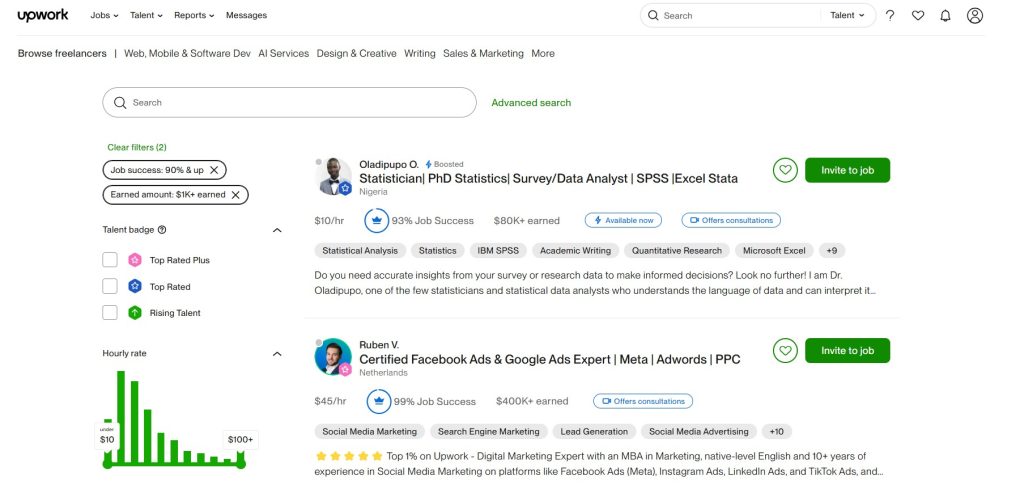
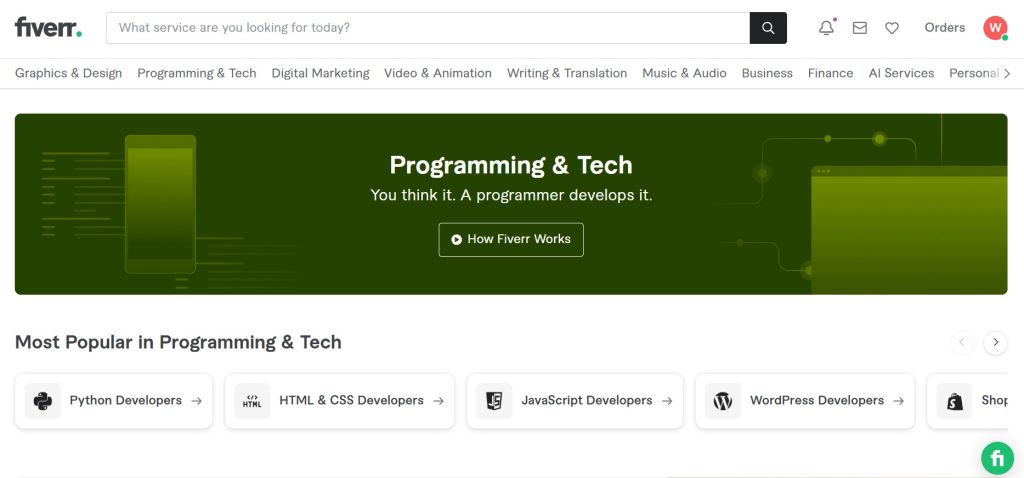
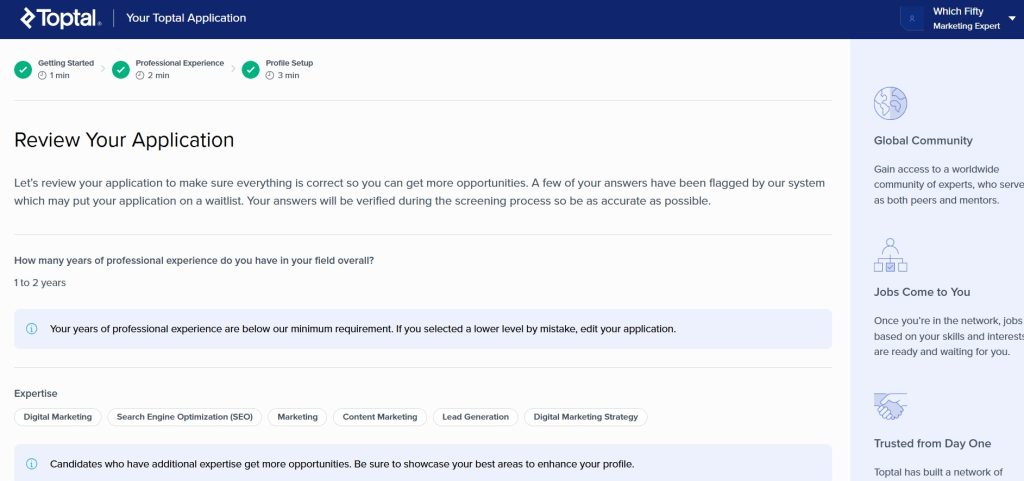
If your skill needs explanation, like consulting, strategy, or product design, you will do better on platforms that let you show depth. If your skill is easy to understand, like logo design or voiceover, gig platforms can work well. Some of the trusted platforms are Upwork, Fiverr and Toptal which are top at the market.
Get Clear on Your Niche (This Is Where Most People Lose)
A niche is not about limiting yourself. It’s about being easy to hire.
When clients browse platforms, they’re looking for someone who feels like the obvious fit. If your profile says you can do “design, marketing, writing, web development,” it’s hard to trust you’re the best at any of it.
A simple niche formula that works:
Skill + Audience + Outcome
Examples:
- Email copywriting for e-commerce brands that want more repeat buyers
- Video editing for podcasters who want short clips for social media
- Bookkeeping for freelancers who want clean monthly reports
Pick one niche to lead with. You can still take other projects later, but you need a clear “front door” for clients.
Build a Profile That Makes People Trust You
Your profile is your storefront. Most clients decide in seconds whether to click, message, or scroll past.
Start With a Strong Headline
Avoid generic headlines like:
- “Graphic Designer”
- “Virtual Assistant”
- “Web Developer”
Instead, use:
- What you do + who it’s for + the result
Examples:
- “Shopify Designer Helping Beauty Brands Increase Sales”
- “Podcast Editor Turning Long Episodes into Clean, Shareable Audio”
- “SEO Writer for SaaS Brands That Want More Demos”
This instantly tells clients: You’re not random. You’re specific.
Write a Simple, Skimmable Summary
Your summary should answer:
- Who you help
- What you help them achieve
- What makes your process reliable
- What to do next
Keep it short. Most clients won’t read big paragraphs.
A simple structure:
- 1–2 lines: Who you help and what you do
- 2–3 bullets: Your services or specialties
- 1–2 lines: Proof (results, years, clients, portfolio)
- 1 line: Invite them to message you
Use a Portfolio That Solves Problems
Portfolios are not just “pretty work.” They’re proof you can solve a client’s problem.
If you’re new and don’t have paid work yet, create 3 samples anyway:
- Redesign a homepage for a real brand (as a mock project)
- Write a sample email flow for an online store
- Edit a short podcast clip from a public domain audio source
Clients care more about “can you do it?” than “who paid you before?”
Understand How Clients Choose Freelancers
Clients on platforms usually follow this pattern:
- They post a job (or search for a freelancer)
- They scan the first few profiles or proposals
- They shortlist a small group
- They message the best fit
- They hire quickly if it feels easy and safe
That means your goal is not to impress everyone. Your goal is to reduce risk.
To reduce risk, clients look for:
- Clear communication
- Relevant experience
- Proof you’ve done similar work
- A simple plan
- A professional attitude
You don’t need to sound fancy. You need to sound confident and helpful.
How to Find Good Jobs
Many freelancers waste time applying to low-quality jobs that never hire. You want to spot jobs that are likely to convert.
Look for job posts that have:
- A clear problem
- A realistic budget
- Specific deliverables
- Signs the client knows what they want
Be cautious with posts that say:
- “Need help ASAP”
- “Looking for rockstar”
- “Must do everything”
- “Budget: very low”
- “Apply with your best offer” with no details
Those are often headache projects.
Use a Daily Job Routine
Consistency beats randomness.
Try this simple routine:
- Spend 30 minutes searching jobs that match your niche
- Save 5 jobs that look high-quality
- Apply to 2–3 with very tailored proposals
- Track replies and adjust weekly
Two good proposals a day beats 30 copy-paste proposals once a week.
How to Write Proposals That Get Replies
This is where most people struggle. The biggest mistake is making the proposal all about yourself.
Clients don’t care that you’re “passionate” or “hard-working.” They care if you can solve the problem quickly and safely.
A Proposal Structure That Works
Keep it short, friendly, and direct.
1) Start with a real opening line
Mention something specific from the job post.
Example:
“Noticed you’re launching a new landing page and want it live before your campaign next week.”
2) Mirror the problem
Show you understand what they’re trying to achieve.
Example:
“The main goal here seems to be higher signups without slowing down page speed.”
3) Share a mini plan
Give 2–3 steps you would take.
Example:
- “Review your current page and analytics”
- “Rewrite the hero section and call-to-action”
- “A/B test two headline options”
4) Add proof
One sentence is enough.
Example:
“I’ve written landing pages for SaaS brands that improved demo bookings.”
5) Ask a simple question
This increases replies.
Example:
“Do you already have brand messaging guidelines, or should I create a quick draft?”
This style matches what platforms like Upwork recommend: keep proposals short and tailored, and focus on the client’s needs instead of using a generic pitch.
How to Win Your First Job When You Have No Reviews
No reviews is the hardest stage. Everyone goes through it.
Here are ways to break the “no review” wall without underpricing yourself into burnout.
Offer a Small Starter Package
Instead of pitching a huge project, offer a smaller piece.
Examples:
- “I’ll edit one 10-minute episode as a trial.”
- “I’ll design one landing page section first.”
- “I’ll write the first 2 emails of the sequence.”
Smaller commitments feel safer to clients.
Make Your Deliverables Extra Clear
New freelancers lose clients because they sound vague.
Be specific:
- “2 revisions included”
- “Delivered in 48 hours”
- “Final files: PNG, PDF, and editable source”
- “Weekly updates every Monday”
Clear deliverables build trust.
Over-Communicate (In a Calm Way)
Don’t send five messages a day. Just be reliable.
- Confirm the scope
- Share a timeline
- Give progress updates
- Ask questions early
Clients remember freelancers who make things easy.
How to Price Your Services Without Guessing
Pricing is tricky on platforms because you’ll see huge ranges.
A good starting approach:
- Set a baseline hourly rate you feel comfortable with
- Convert that into project pricing when possible
- Keep packages simple
A basic formula:
Estimated hours + buffer + value
If something takes 10 hours and your rate is $50/hr, the base is $500. Add a buffer for revisions and surprises.
Over time, price based on results, not time. But early on, a fair hourly-based model keeps things simple.
How to Turn One Gig Into Repeat Work
The easiest client to get is the one you already have.
After delivering a project, do this:
- Send a clear “handoff” message
- Ask if they want help with the next step
- Suggest a small monthly retainer if it fits
Examples of natural follow-ups:
- “Want me to edit the next 4 episodes the same way?”
- “If you want, I can also create 10 short clips from this episode.”
- “Would you like a monthly SEO content plan to keep traffic growing?”
This is how freelancers build steady income without constantly hunting.
Common Mistakes That Keep Freelancers Stuck
Avoid these and you’ll move faster.
- Applying to everything. Stick to your niche and ideal projects.
- Sending generic proposals. Clients can spot them instantly.
- Having no portfolio. Create samples if you must.
- Competing only on price. It attracts difficult clients.
- Ignoring communication. Fast, clear replies win jobs.
- Not tracking what works. Keep notes on which proposals get replies.
A Simple 14-Day Plan to Get Freelance Work
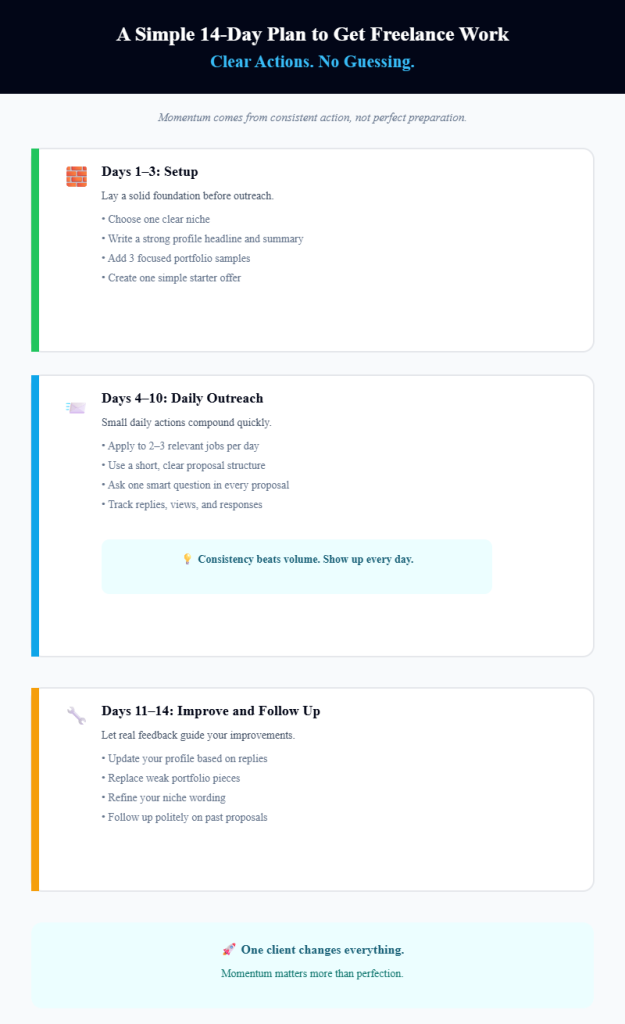
If you want a clear plan, try this.
Days 1–3: Setup
- Choose one niche
- Build your profile headline and summary
- Add 3 portfolio samples
- Create one starter package offer
Days 4–10: Daily Outreach
- Apply to 2–3 jobs per day
- Use the short proposal structure
- Ask one question in every proposal
- Track your results
Days 11–14: Improve
- Update your profile based on what got replies
- Replace weak portfolio pieces
- Refine your niche wording
- Follow up on proposals politely
Even if you land one client, you are now in motion. Momentum matters more than perfection.
Conclusion
Finding freelance work on platforms is not about luck. It’s about being clear, being consistent, and making it easy for clients to trust you.
Start by choosing one niche and building a profile that speaks to a specific client type. Then send short, tailored proposals that show you understand the problem and have a simple plan to solve it. Once you land your first gig, focus on communication and follow-up so that one project turns into steady repeat work.
Keep it simple, stick with the process for two weeks, and you will be surprised how quickly things start to click.
Leave a Comment