Freelancing is exciting until tax season shows up and you realize how much you might owe. The good news is you can lower your taxable income with smart, legal deductions. The frustrating part is that many freelancers miss deductions simply because they do not track expenses, or they assume something is not allowed.
This blog is a simple, practical checklist of freelance tax deductions you should know about. It is written for everyday freelancers like designers, writers, consultants, developers, coaches, photographers, and anyone running a one-person business. You will also see what you need to track so you can prove the deduction if you ever get asked.
Quick note: tax rules can be specific, and every situation is different. Use this as a guide, and when in doubt, ask a qualified tax professional.
What Counts as a Deductible Business Expense?
Before diving into the list, here is the basic rule: a business expense generally needs to be ordinary and necessary for your work. In normal language, that means it is common for your type of freelance work, and it helps you run your business.
Two big things matter most:
- The expense must be business-related.
- You should be able to prove it with receipts, invoices, or digital records.
The more organized your tracking is, the more deductions you will be able to claim without stress.
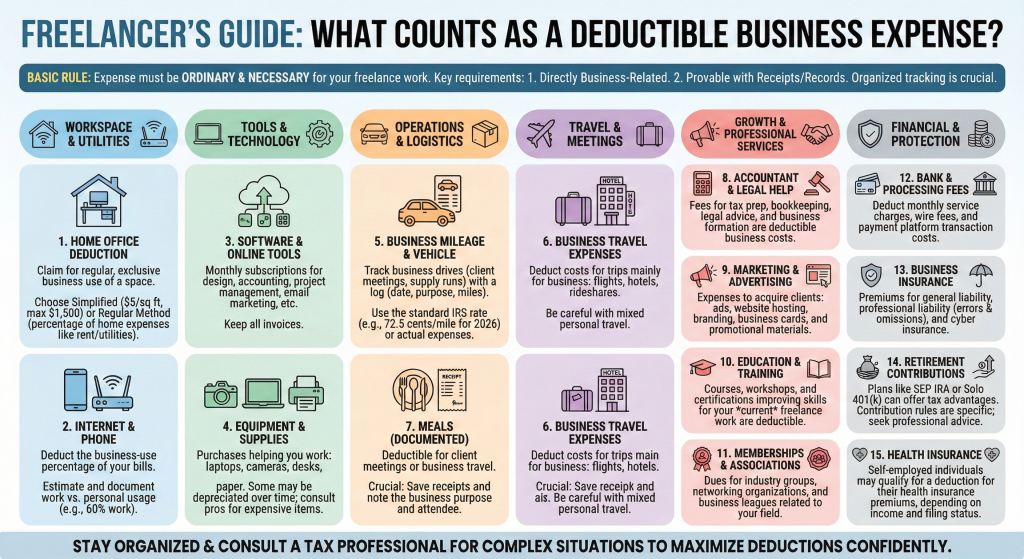
1. Home Office Deduction (And How to Claim It Safely)
If you work from home, the home office deduction is one of the biggest deductions many freelancers overlook because they are scared it will “trigger an audit.” The truth is, you can claim it if you qualify and keep clean records.
Who Qualifies?
In general, your workspace needs to be used regularly and exclusively for your business. That usually means a dedicated room or a specific area that is only for work.
Two Ways to Calculate It
You can use the simplified method or the regular method.
Simplified method (easy option):
- $5 per square foot of your home used for business
- Maximum of 300 square feet
- Maximum deduction of $1,500
This method is popular because it is simple and requires less paperwork.
Regular method (more detailed):
- You calculate the percentage of your home used for business
- Then apply that percentage to eligible home expenses
Home expenses that can apply include things like rent, mortgage interest, property taxes, utilities, and some repairs.
If you are not sure which method is better, run both once and see which gives you the bigger deduction.
2. Internet and Phone (The Business Portion)
Most freelancers pay for internet and phone anyway. If you use them for business, you can usually deduct the business-use percentage.
Examples:
- Zoom calls with clients
- Uploading files
- Using project management apps
- Business calls and texts
Simple tip: if you use your phone 60% for work and 40% personal, you can usually deduct around 60% of the bill. Keep a note of how you estimated that percentage.
3. Software Subscriptions and Online Tools
Freelancers often spend a lot on monthly tools. These costs add up, so do not ignore them.
Common deductible tools include:
- Design tools (Canva)
- Accounting software (Vyapar)
- Cloud storage (Koofr)
- Scheduling apps (Clara)
- Email marketing platforms (Omnisend)
- Project management tools (Clickup)
- Stock photo and video subscriptions (istock)
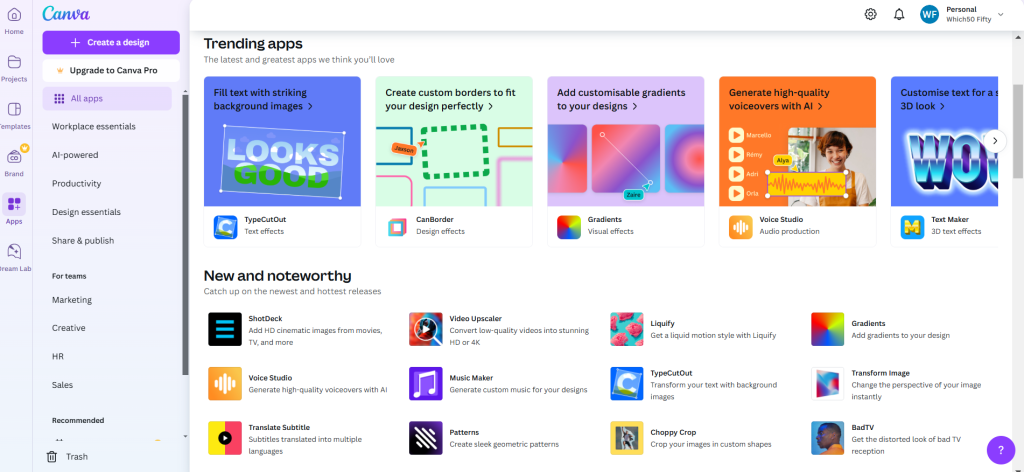
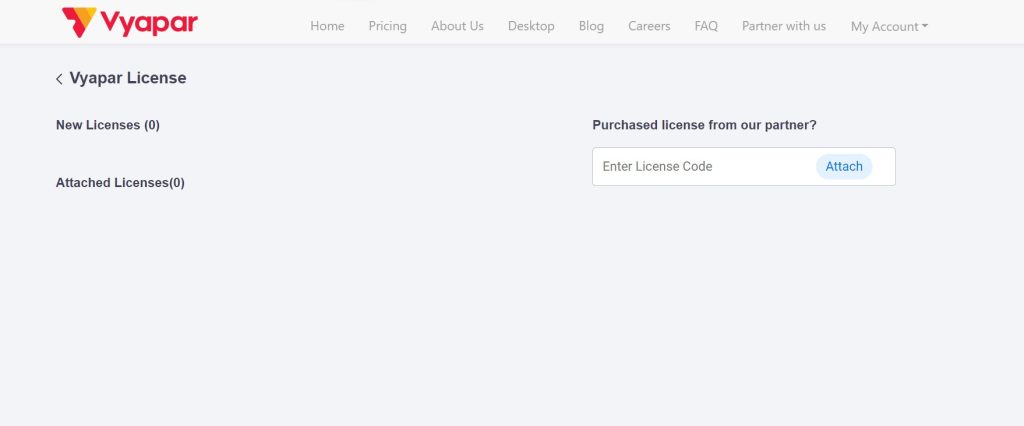
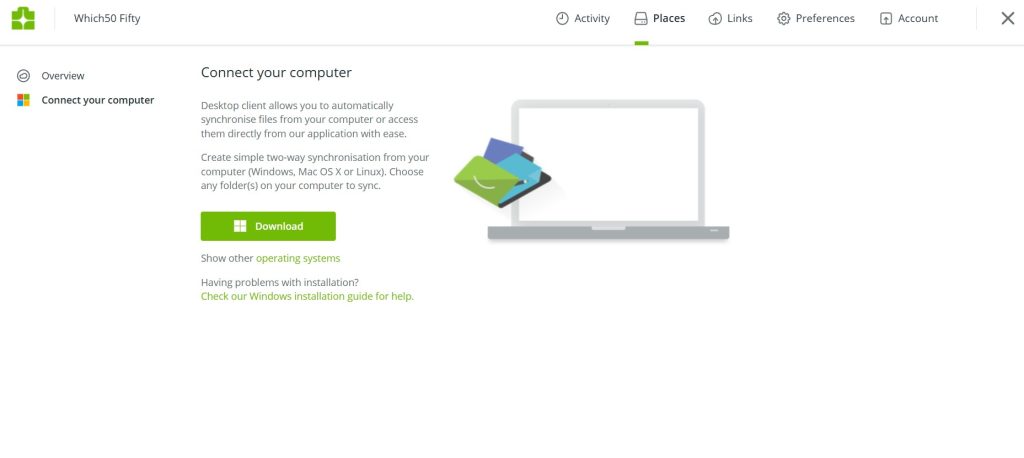
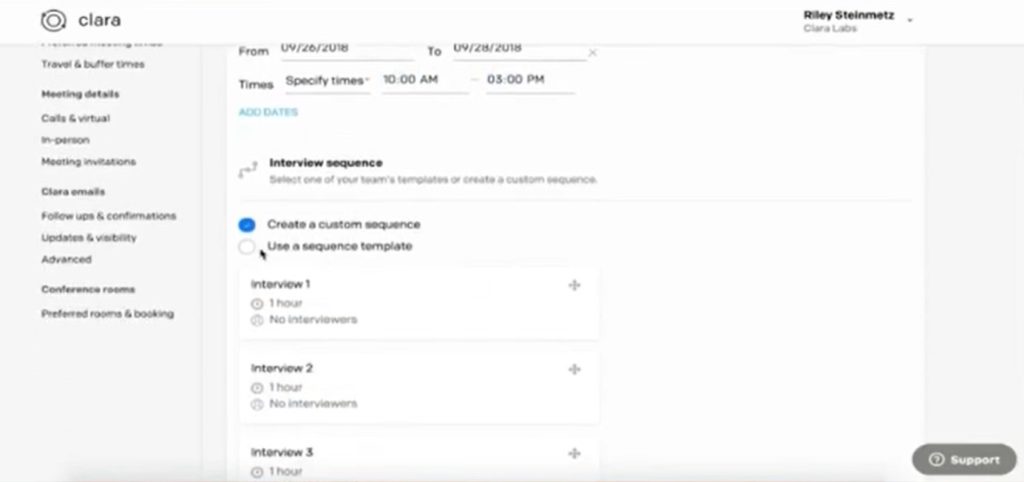
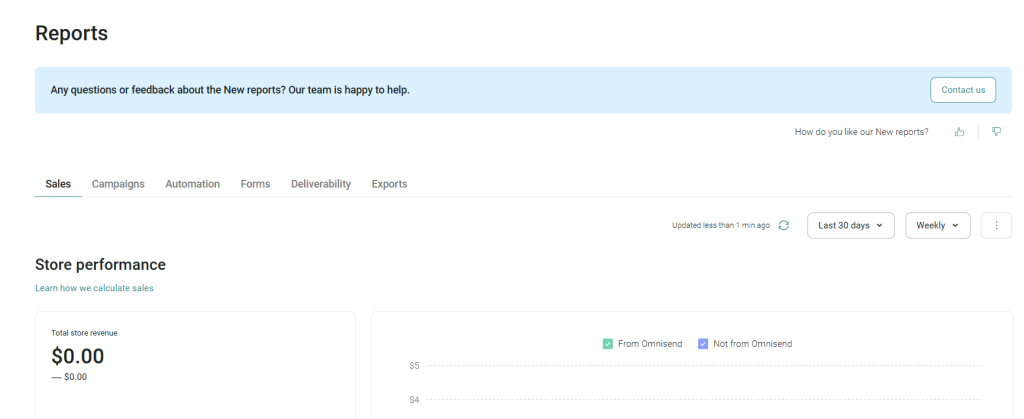
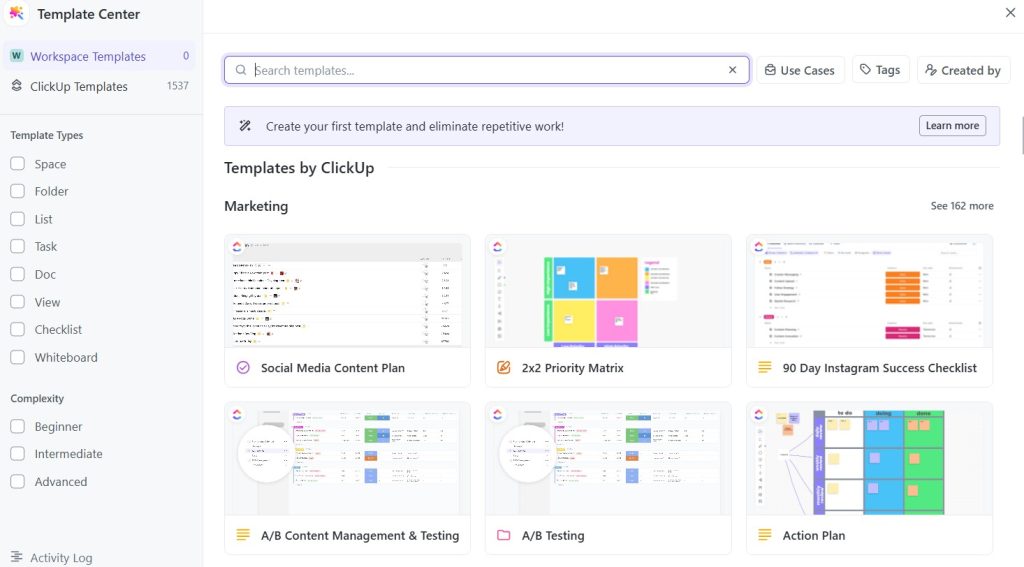
Track them as “software” or “subscriptions” and keep invoices. Even small subscriptions matter over 12 months.
4. Equipment and Supplies (Laptop, Camera, Desk, More)
If you buy equipment that helps you do your job, you may be able to deduct it.
Examples:
- Laptop and monitor
- Camera gear
- Microphone and lighting
- Printer
- External hard drives
- Drawing tablet
- Office chair and desk
- Paper, ink, notebooks, postage
Some items may need to be depreciated over time depending on what you buy and how you file, but many freelancers can still get a strong deduction. A tax professional can help you pick the best method if you buy expensive equipment.
5. Business Mileage and Vehicle Expenses
If you drive for freelance work, mileage can be a real deduction.
Business driving examples:
- Driving to a client meeting
- Going to a coworking space
- Picking up supplies for a project
- Traveling to a paid gig or photo shoot
For 2026, the IRS standard mileage rate for business use is 72.5 cents per mile starting January 1, 2026.
To claim mileage, you need a mileage log. A simple app or spreadsheet works, but you should track:
- Date
- Starting point and destination
- Business purpose
- Miles driven
You can also use the actual expense method, but many freelancers prefer the standard mileage rate for simplicity.
6. Travel Expenses (When the Trip Is Mainly for Business)
If you travel for work, you may be able to deduct business-related travel expenses. This can include:
- Flights
- Hotels
- Taxis or rideshares
- Rental cars
- Parking fees and tolls
- Business-related baggage fees
Important: the trip usually needs to be mainly for business. If you mix personal travel with business, you can often still deduct the business portion, but you need to be careful and document it.
7. Meals (Yes, But Keep It Clean)
Meals can be deductible in some business situations, but they are often misunderstood.
Meals may qualify when:
- You meet a client or potential client
- You travel for business
- You have a business meeting over food
The key is documentation. Save the receipt and write a quick note like:
“Lunch with client, project kickoff.”
Do not try to deduct personal meals with no business reason. That is where people get into trouble.
8. Professional Services (Accountant, Bookkeeper, Legal Help)
Hiring help is a real business expense.
You can often deduct:
- Tax preparation fees (business portion)
- Bookkeeping services
- Legal consultations
- Business formation fees (LLC help, contracts, etc.)
Many freelancers avoid paying for help, but the right accountant often pays for themselves in savings and stress reduction.
9. Marketing and Advertising
If you spend money to get clients, that is usually deductible.
Examples:
- Website hosting and domain
- Paid ads (search ads, social ads)
- Business cards and flyers
- Branding and logo design
- Portfolio site costs
- Sponsoring events (when it is business-related)
Even small things like boosting a post or printing materials for a client event can count.
10. Education, Courses, and Training
If education helps you improve skills in your existing business, it can often be deductible.
Examples:
- Online courses related to your services
- Workshops and conferences
- Books and paid newsletters tied to your work
- Certifications that support your freelance work
The goal is simple: it should support your current freelancing income, not train you for a totally new career.
11. Memberships and Professional Associations
If you pay for memberships that help you grow your freelance business, those may count too.
Examples:
- Industry associations
- Networking groups
- Business leagues
- Some coworking memberships
Keep receipts and make sure the membership is clearly business-related.
12. Bank Fees and Payment Processing Fees
A sneaky category many freelancers forget.
You can often deduct:
- Business bank account fees
- Monthly account charges
- Wire fees
- Credit card processing fees
- Payment platform fees
If a platform takes a cut from your invoice, that is a cost of doing business. Track it.
13. Business Insurance
Depending on your field, you might pay for insurance like:
- General liability
- Professional liability (errors and omissions)
- Business property coverage
- Cyber insurance
Insurance is not exciting, but it is often deductible and can save you big time when something goes wrong.
14. Retirement Contributions (Often Missed)
Freelancers can often save for retirement and potentially lower taxable income at the same time. The rules depend on the type of plan you use, but common options for self-employed people include:
- SEP IRA
- Solo 401(k)
This is one of those areas where a tax pro is worth it because contribution limits and rules can get detailed.
15. Health Insurance (If You Qualify)
Many freelancers pay for their own health insurance. Depending on your situation, you may qualify for a self-employed health insurance deduction.
Because this area depends heavily on your income and filing situation, it is smart to double-check with a pro.
The “Don’t Miss These” Tracking Checklist
Deductions are only helpful if you can prove them. Here is a simple system to make your life easier.
Every week (10 minutes)
- Screenshot or export receipts from email
- Categorize expenses in your accounting app or spreadsheet
- Log business miles
Every month (30 minutes)
- Review subscriptions and cancel ones you do not use
- Match transactions to receipts
- Save invoices you sent to clients
Every quarter
- Estimate taxes so you do not get surprised
- Review your biggest categories like software, travel, and equipment
Common Freelance Deduction Mistakes
Here are a few mistakes that trip people up:
- Mixing personal and business expenses with no tracking
- Claiming a home office without exclusive use
- Not keeping receipts for meals and travel
- Forgetting small subscriptions that add up
- Not tracking mileage and losing a big deduction
You do not need perfection. You just need a simple system and consistency.
Wrap Up
Freelance tax deductions are not about finding loopholes. They are about claiming the real costs of running your business. When you track expenses properly, you keep more of what you earn and reduce your stress during tax season.
Start small. Pick three categories you know you spend money on, like software, internet, and mileage. Track them for one month. Once that feels easy, add more.
If you want the biggest win, focus on the home office deduction, mileage, software subscriptions, and professional services. Those are the ones freelancers commonly miss, and they often make a real difference.

Leave a Comment