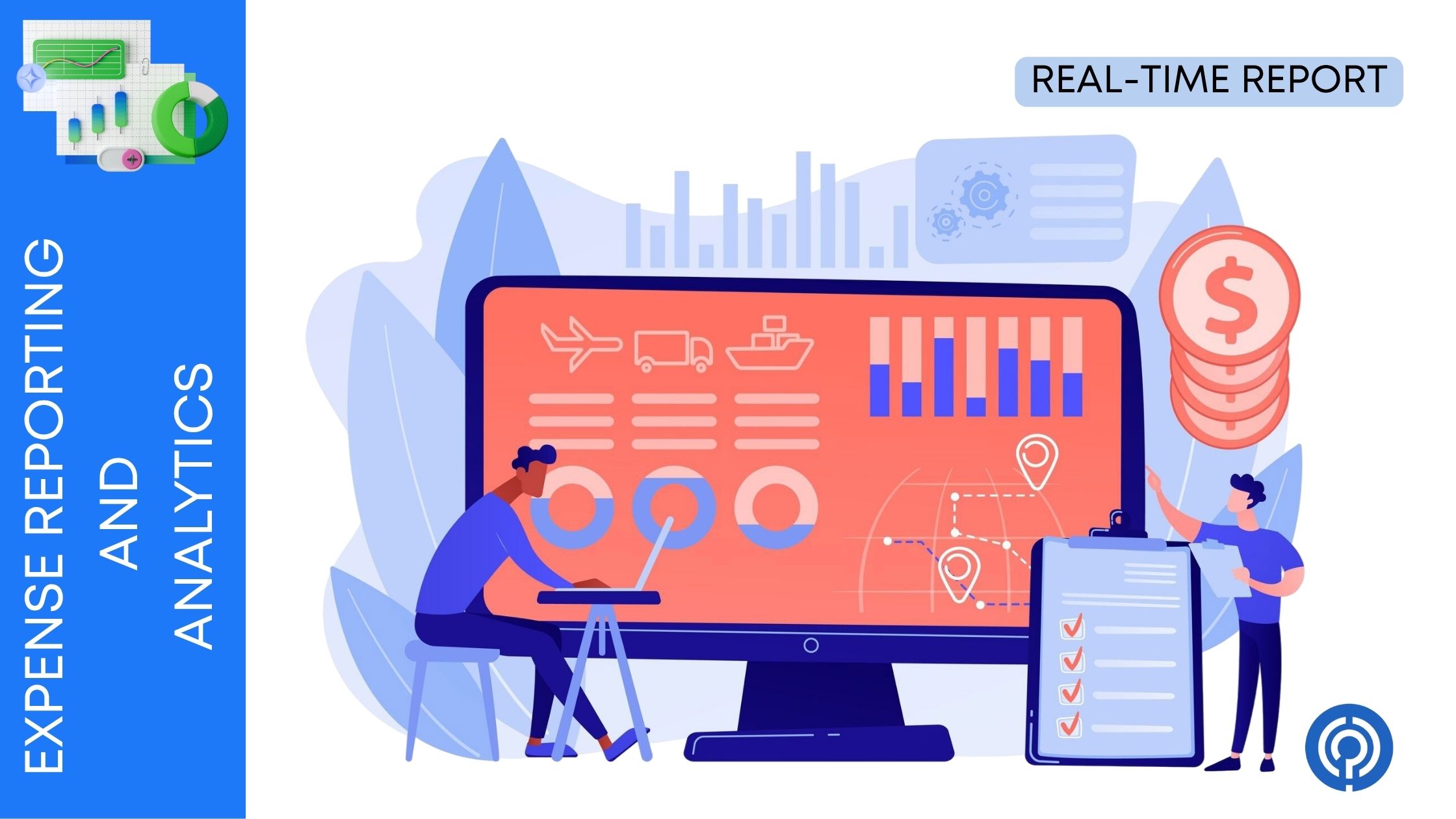
Picture this: It’s the 15th of the month, and your finance team is scrambling through receipts and spreadsheets trying to figure out where all the travel expenses went. Sound familiar? Most companies still wrestle with outdated expense reporting that happens after the spending, not during it.
Real-time expense reporting and analytics changes everything. Instead of waiting weeks for reports, you see spending as it happens. Managers approve expenses instantly. Finance gets accurate forecasts. Leadership makes smarter decisions. In this guide, we’ll show you exactly how real-time expense systems work and why they’re becoming essential for modern businesses.
The Problem with Traditional Expense Reporting
Traditional expense reporting hasn’t changed much in decades. Employees snap photos of receipts, fill out forms weeks later, submit for approval, and finance reconciles everything at month-end. The result?
- Delays: Reports arrive too late to influence current spending.
- Errors: Manual entry means mistakes creep in.
- Compliance risks: Overspending goes unnoticed until it’s too late.
- Lost insights: By the time you analyze spending patterns, they’re old news.
Companies lose thousands monthly to these inefficiencies. A Deloitte study found 40% of expenses have errors, and 1 in 5 receipts never make it to reimbursement. No wonder CFOs are looking for better ways.
What Real-Time Expense Reporting Actually Means
Real-time expense reporting means employees capture expenses instantly, approvals happen immediately, and analytics update continuously. It’s a closed loop where spending data flows from employee card swipe to executive dashboard in seconds.
Key features include:
- Instant receipt capture via mobile apps
- Automated categorization using AI
- Policy enforcement at the point of spend
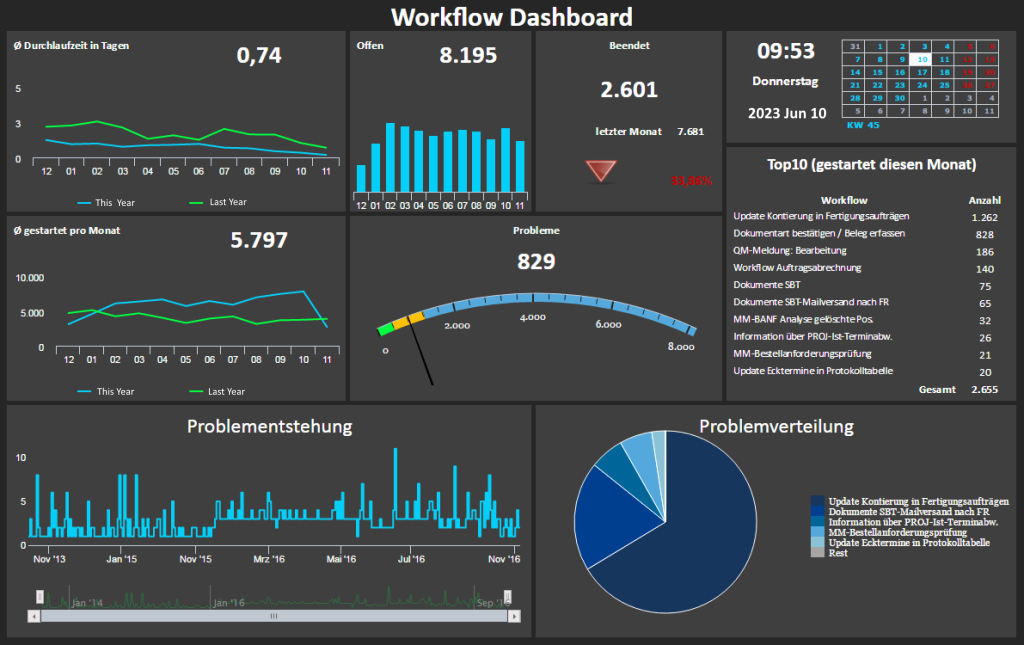
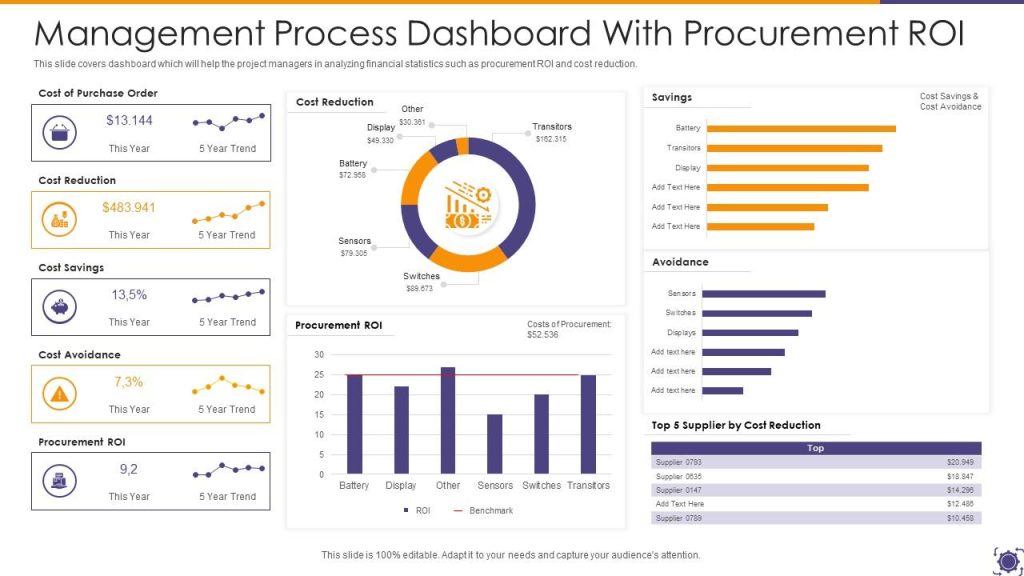
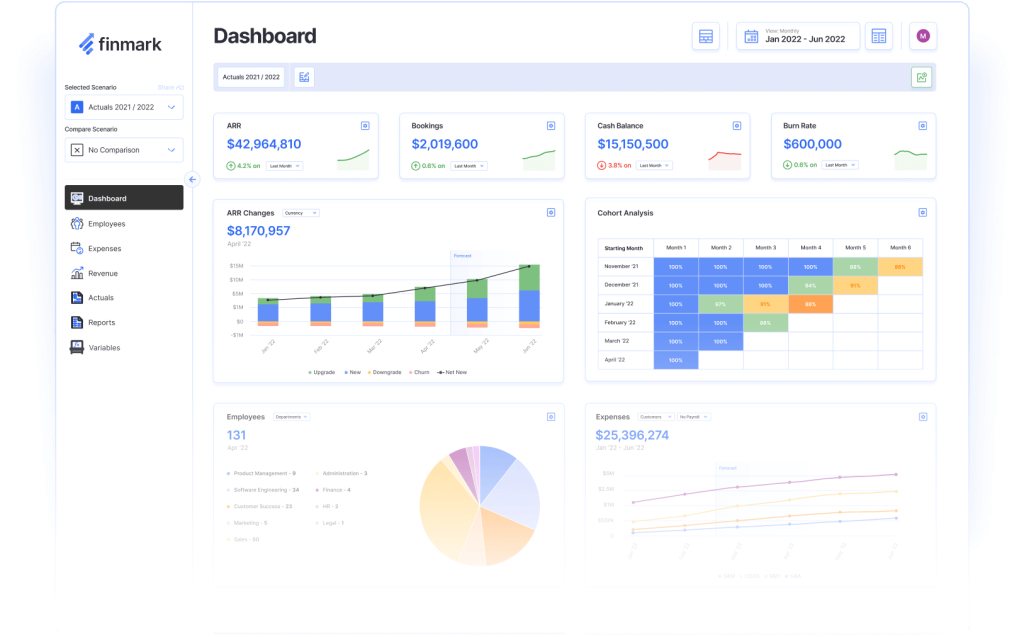
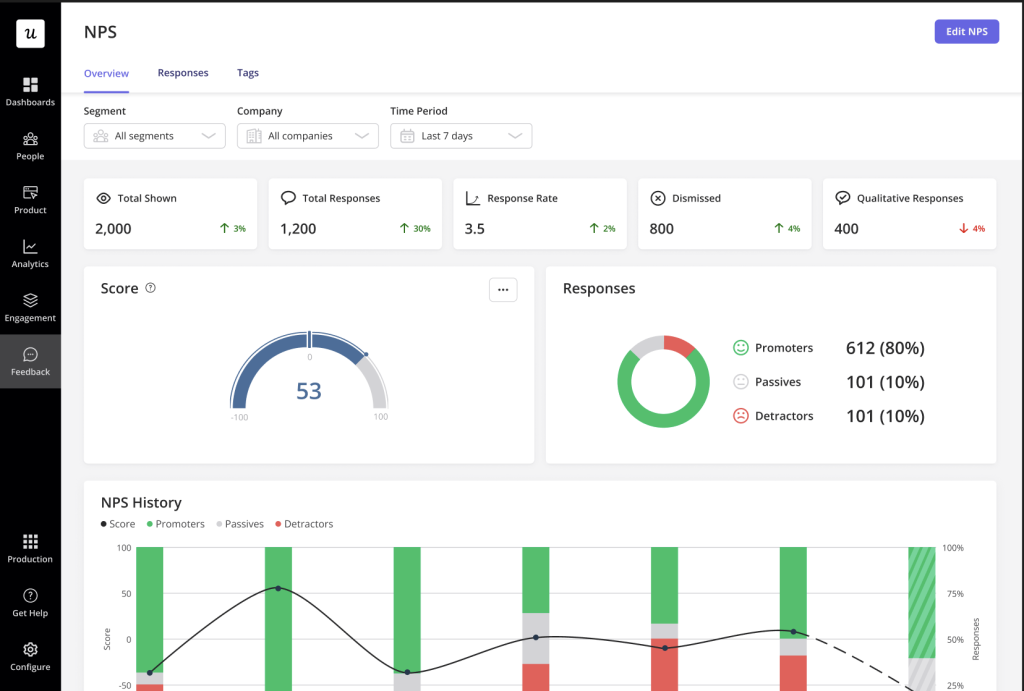
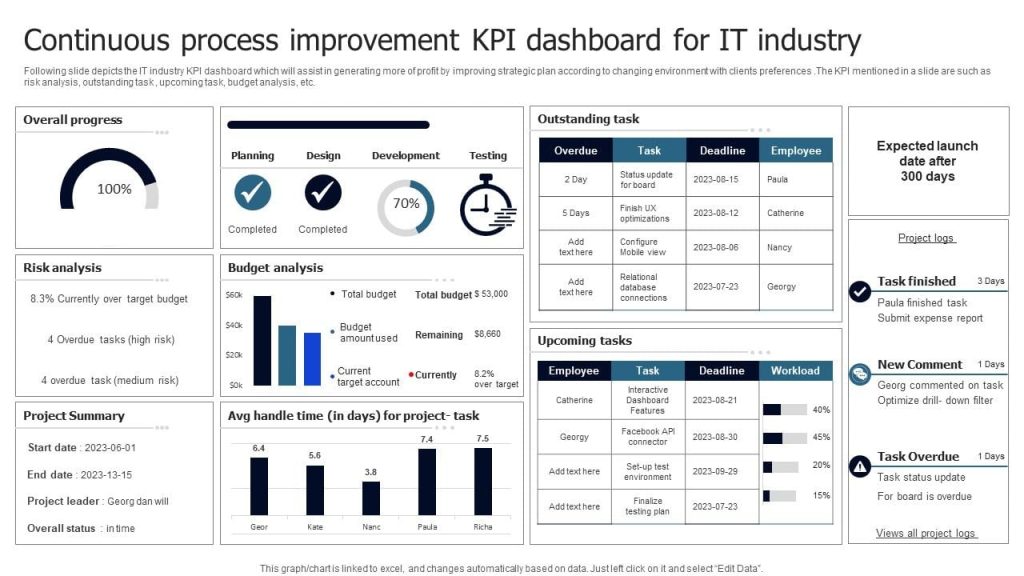
- Live dashboards showing spending by department, vendor, category
- Predictive analytics forecasting monthly totals based on current trends
The result? Finance teams spend less time chasing receipts and more time providing strategic insights.
How Real-Time Systems Work
Modern expense platforms integrate everything seamlessly.
Here’s the flow:
- Employee spends: Uses company card or submits receipt via mobile app.
- Instant categorization: AI reads receipt and codes to right GL account.
- Policy check: System flags violations (over per diem, unapproved vendors).
- Manager approval: Push notification with one-tap approve/deny.
- Live analytics: Spending updates across dashboards immediately.
- Forecasting: System predicts month-end totals based on burn rate.
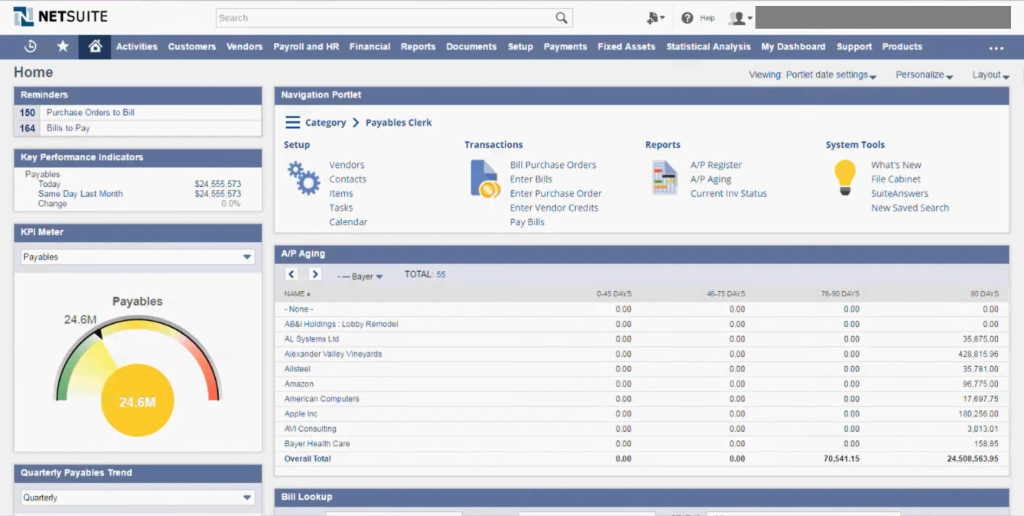
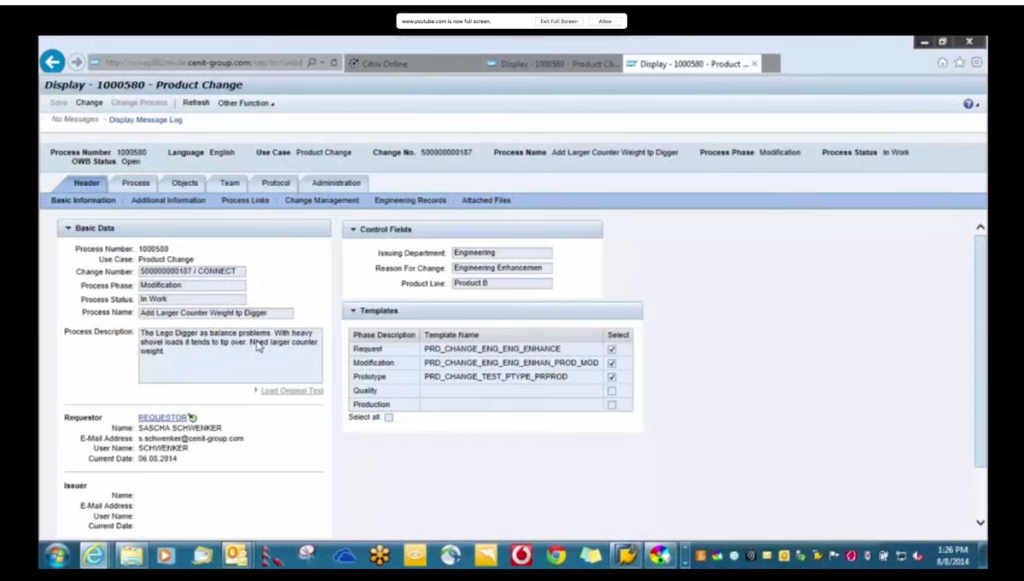
Integration is key. These platforms connect to your ERP (NetSuite, QuickBooks, SAP), corporate cards (Amex, Visa), and travel booking systems. Data flows automatically, no more manual uploads.

Core Benefits You Can’t Ignore
1. Immediate Visibility
See spending as it happens. Department heads know when they’re approaching budget limits. Finance spots anomalies instantly, like a sales rep suddenly booking first-class flights.
2. Faster Approvals
Traditional approvals take days. Real-time systems cut this to minutes. Employees get reimbursed faster, managers stay in control.
3. Policy Compliance
80% fewer violations. Systems block non-compliant purchases before they happen or flag them immediately. No more surprise overspends.
4. Better Forecasting
Predict month-end expenses with 95% accuracy. Live burn rates let you adjust spending mid-month instead of discovering problems at close.
5. Cost Savings
Companies using real-time systems report 25-40% reductions in T&E costs through better controls and smarter spending.
Essential Features to Look For
Not all platforms are created equal. Prioritize these capabilities:
Mobile-First Design
- Receipt scanning with OCR
- GPS location verification
- One-tap mileage tracking
- Offline mode for travel
AI-Powered Intelligence
- Automatic categorization (95% accuracy)
- Duplicate detection
- Fraud alerts
- Vendor spend analysis
Advanced Analytics
Real-time dashboards
Custom KPI tracking
Anomaly detection
Predictive forecasting
Benchmarking vs industry
Seamless Integrations
ERP: NetSuite, QuickBooks, SAP, Oracle
Cards: Amex, Visa, Mastercard, Capital One
Travel: Concur, TripActions, Egencia
Admin Controls
- Custom policies by role/location
- Approval workflows
- Budget alerts
- Export to Excel/PDF
Top Real-Time Expense Platforms
ExpenseIn
Enterprise-grade with strong NetSuite integration. Excellent AI categorization and custom reporting.
Receipt Bank (now Dext)
SMB favorite. Killer mobile app and 99% OCR accuracy. Great for accounting firms.
Hubdoc
QuickBooks native. Perfect if you’re already in the Intuit ecosystem.
Airbase
Spend management platform with real-time expense tracking. Strong corporate card controls.
Teampay
Modern approval workflows with live spend visibility. Great for growing teams.
Implementation Roadmap (6 Steps)
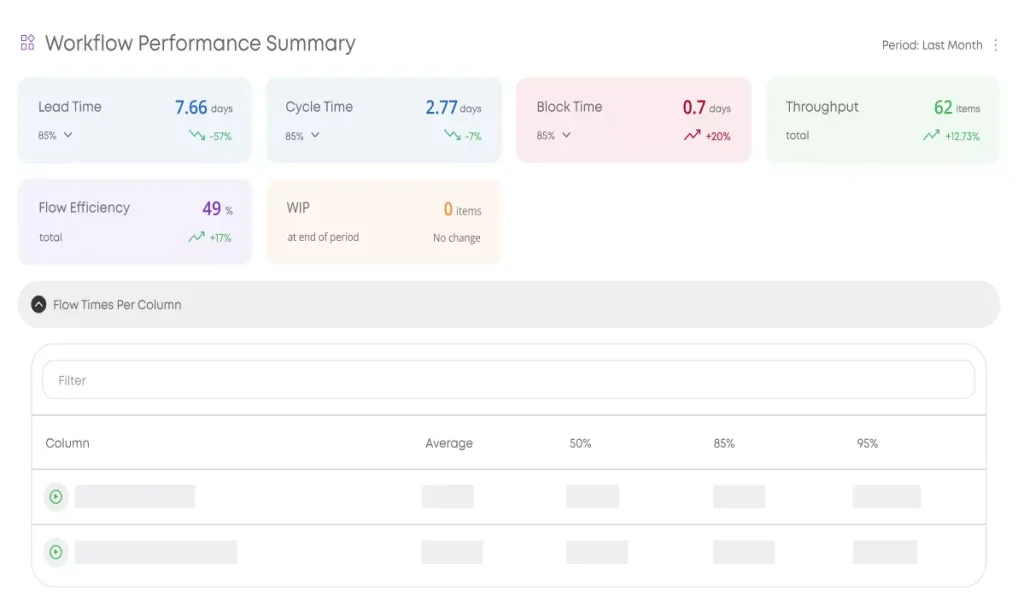
Step 1: Audit Current Process (Week 1)
Map your existing workflow. Identify pain points. Calculate baseline metrics (approval times, error rates).
Step 2: Get Buy-In (Week 2)
Present ROI case to leadership. “We lose 120 hours monthly chasing receipts. New system saves 90 hours at $75/hour = $6,750 savings.”
Step 3: Choose Platform (Week 3)
Demo 2-3 vendors. Prioritize integrations and mobile experience. Negotiate pricing.
Step 4: Pilot Program (Month 1)
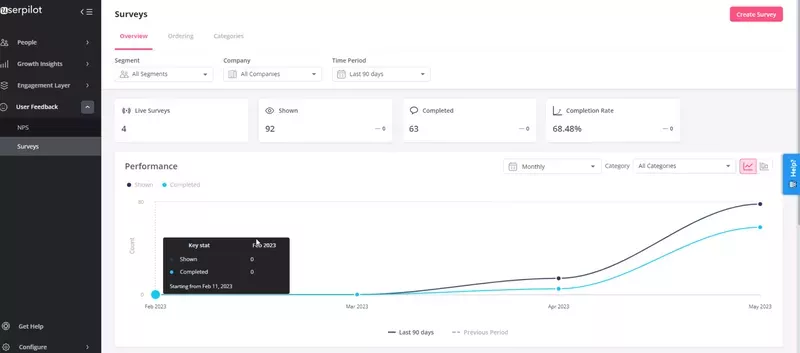
Roll out to one department (sales works well). Gather feedback, fix issues.
Step 5: Company-Wide Launch (Month 2)
Full training. Change corporate cards if needed. Monitor adoption.
Step 6: Optimize (Ongoing)
Review analytics weekly. Refine policies. Add custom reports.
Real-World Results
- Midwest Manufacturing Co. went from 12-day expense cycles to 2 days. Saved $180K annually in admin costs alone.
- Tech Startup Series B cut T&E spend 32% first year through real-time policy enforcement.
- Regional Law Firm reduced duplicate reimbursements from 8% to 0.2% with AI fraud detection.
These aren’t outliers. Gartner reports 78% of companies adopting real-time systems achieve ROI within 12 months.
Overcoming Common Objections
- “Employees won’t adopt it.”
Solution: Pick mobile-first platforms. Gamify adoption with leaderboards. Train managers first. - “Too expensive.”
Solution: Calculate TCO. Most systems pay for themselves in 4-6 months through time savings and overspend reduction. - “Integration nightmare.”
Solution: Choose platforms with your ERP pre-integrated. Most handle 90% of setup. - “Data security concerns.”
Solution: Look for SOC2 Type II, GDPR compliance, bank-grade encryption.
Advanced Analytics That Drive Decisions
Real-time data alone is powerful, but analytics make it strategic:
Vendor Analysis
Top 5 vendors by spend
Contract compliance rates
Payment term violations
Negotiation opportunities
Category Intelligence
Travel: Air vs hotel vs car ratios
Meals: Per diems vs actuals
Consultants: Hourly rates vs budget
Predictive Insights
Month-end forecast accuracy: 97%
Budget overrun probability: 12%
Cash flow impact: -$47K
Anomaly Detection
Sarah’s Q4 travel: +340% MoM
Marketing promo budget: Exhausted
New vendor: $18K, no approval
Measuring Success
Track these KPIs monthly:
| Metric | Before | Target | Achieved |
| Approval time | 7 days | 24 hrs | 18 hrs |
| Error rate | 12% | <2% | 1.4% |
| Overspend | 18% | <5% | 4.2% |
| Finance hours | 160 | 60 | 72 |
| User adoption | – | 90% | 87% |
The Future of Expense Management
AI is getting smarter. Expect:
- Voice-activated expense capture
- Predictive policy recommendations
- Embedded spend coaching (“John, this exceeds your hotel budget by 15%”)
- Blockchain receipt verification
Virtual cards with real-time controls will replace physical cards entirely.
Conclusion
Real-time expense reporting isn’t a nice-to-have, it’s table stakes for competitive companies. The cost of inaction (errors, delays, overspend) far outweighs implementation costs.
Start here:
- Calculate your current expense pain points
- Demo 2 platforms this week
- Pilot with one team next month
Your finance team deserves tools that make their lives easier. Your leadership deserves spending visibility they can act on. Real-time expense reporting delivers both.
Ready to save hours and dollars? Schedule demos today. The future of expense management is happening now.


Leave a Comment