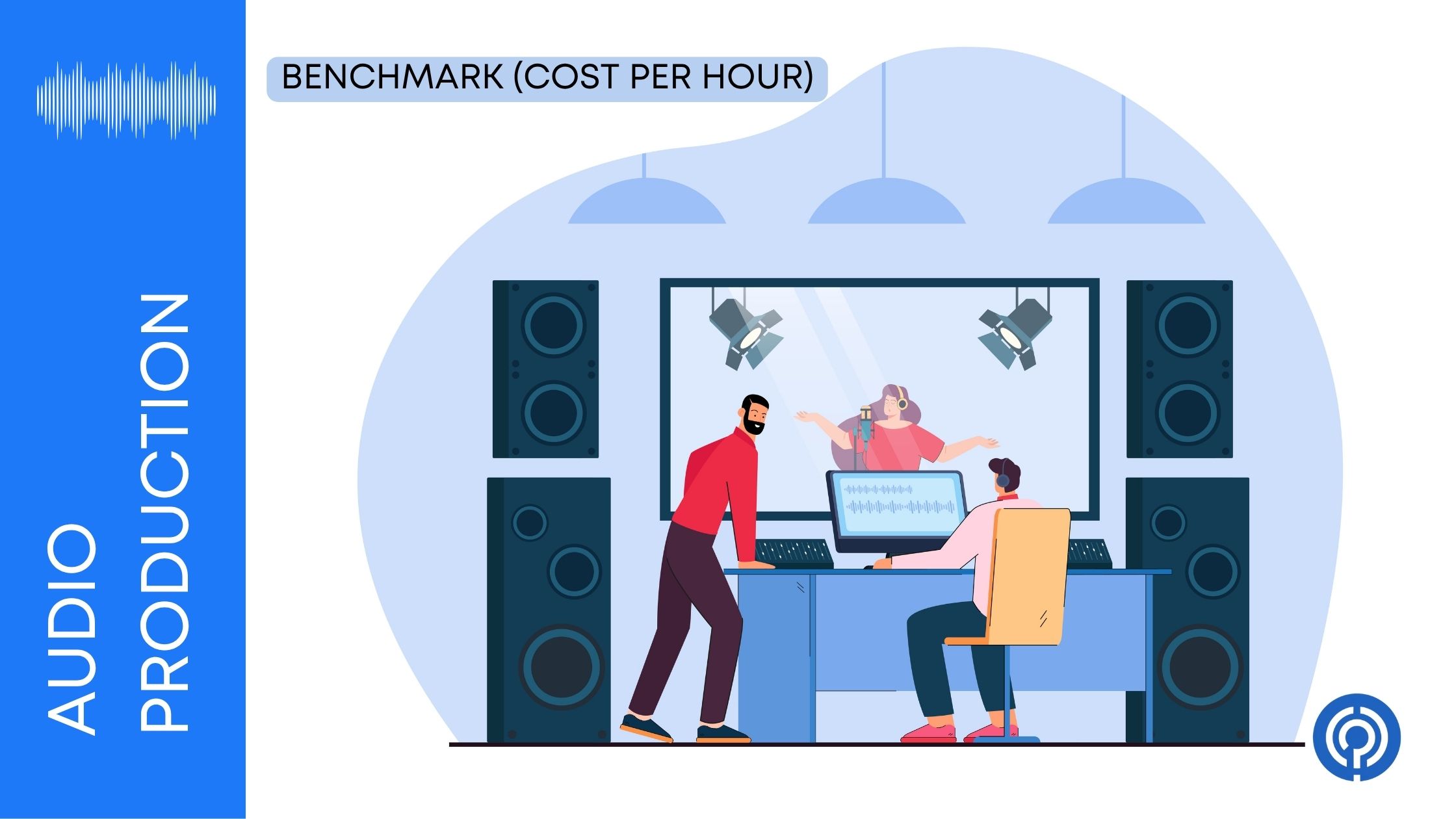
Audio production pricing can feel confusing fast. One person tells you it’s $50 an hour, another quotes $300, and then someone throws out “per finished hour”—which honestly sounds like a totally different language.
If you are trying to map out a budget for a podcast, an audiobook, a YouTube channel, or post-production for a short film, let’s skip the fluff. Here is the real-world breakdown of what audio production actually costs, why the numbers swing so wildly, and how to protect your cash flow from nasty surprises.
What “Cost Per Hour” Really Means in Audio
Before you start looking at industry benchmarks, you need to know exactly which “hour” a provider is talking about. In the audio world, pricing usually falls into one of three buckets.
1. Hourly Rate (Clock Hours)
This is the most straightforward model. You pay strictly for the time someone spends working. If an engineer sits in a studio for three hours tracking your vocals, or spends two hours balancing levels during a mixing session, you pay for those exact hours. It’s common for traditional commercial studios and freelance engineers.
2. Per Finished Hour (PFH)
This is the gold standard for audiobooks and voiceover packages, but it trips a lot of people up.
Here is the thing: A “finished hour” means one hour of final, polished, ready-to-release audio. It does not mean the hours spent creating it.
Because editing, mastering, and mastering out mistakes takes serious time, one finished hour of audio can easily require four to six hours of actual labor. Some entry-level voice services publish PFH packages starting around $170 per finished hour, but that number can skyrocket depending on the talent’s experience and usage rights.
3. Flat Project Rate
You pay one flat fee for the entire job. For instance, an editor might charge you $600 to completely polish a podcast episode, or a post-house might quote $1,500 for full sound design on a commercial. Flat rates are great for keeping your budget predictable, but watch out for hidden limits on revisions.
Quick Benchmarks: Typical Audio Production Hourly Rates
Rates vary wildly based on location, gear, and experience. But if you need a baseline to start budgeting today, these are the typical ranges.
- The Individual Freelancer ($20 – $50+ / hour): General employment data points to an average wage of around $36 to $40 per hour for a standard audio engineer. But remember, a freelancer has to cover their own software licenses, taxes, and hardware, so their client-facing rates are often higher than basic salary averages.
- The Audio Production Company ($100 – $149 / hour): When you move past independent freelancers and hire an established production agency, rates scale up. This premium covers dedicated project management, faster turnarounds, and teams of specialists who handle different stages of your project.
- Professional Post-Production Facilities ($300 – $350+ / hour): High-end commercial studios in major markets charge top dollar. You aren’t just paying for an engineer’s time here; you are paying for pristine, acoustically calibrated rooms, high-end microphones, and remote patch capabilities for live direction.
- Voiceover Talent ($50 – $500+ / hour): Beginners might cut voice tracks for $50 an hour, while top-tier talent with a professional home booth can easily command $500+ per hour.
Why Audio Rates Vary So Much
If you get two quotes for the exact same project and one is quadruple the price of the other, it doesn’t mean the expensive option is a rip-off. It usually means you are looking at two completely different operational tiers.
Tools, Software, and Setup
Someone working out of a bedroom with a pair of headphones has almost zero overhead. They might be using a free, open-source tool like Audacity to make quick cuts. That works perfectly for basic projects.
But if you are hiring a premium engineer who uses industry-standard platforms like Pro Tools or advanced restoration setups to fix echo, background hiss, and bad room acoustics, you are paying for specialized expertise and thousands of dollars in software infrastructure.
The Complexity of the Work
Simple editing is just cutting out long pauses and mistakes. Mixing and sound design require a trained ear. If your project needs multi-track editing, complex music beds, creative sound effects, or strict dialogue leveling to hit Spotify or Apple Podcasts loudness targets, the hours add up fast.
Usage Rights
For voiceover and commercial work, you aren’t just paying for studio time. You are paying for where the audio lives. A 30-second ad running on national television will cost dramatically more than a 10-minute internal training video, purely because of the commercial distribution rights.
How to Estimate Total Cost From Hourly Rates
Hourly rates don’t mean much if you don’t know how many hours the job will take. To avoid a massive surprise when the invoice lands, use these real-world time multipliers.
Podcast Editing Time Estimates
Don’t assume a 30-minute recording takes 30 minutes to edit. It doesn’t work that way.
- Light Edit (1x to 2x real time): A clean recording with a single, professional speaker. A 45-minute episode takes about an hour to polish.
- Standard Edit (2x to 4x real time): Two or three speakers talking over each other over Zoom. Expect 2 to 3 hours of editing for that same 45-minute file.
- Heavy Reconstruction (5x to 8x+ real time): Total disaster recovery. Background noise, heavy filler words, and massive structural re-arranging. That 45-minute file could easily eat up 6 hours of labor.
Ways to Reduce Your Production Costs
You don’t have to pay top-of-market rates to get professional results. You just need to make the production process as efficient as possible for your engineer.
1. Fix Your Raw Recordings At the Source
The absolute easiest way to save money is to reduce the cleanup hours. Record in a small, quiet room with plenty of soft furnishings to absorb echo. Turn off fans, kill the AC, and keep your mouth a consistent distance from the microphone. If you give your editor clean files, they don’t have to spend billable hours fixing mistakes.
2. Streamline Your Workflow with Modern Tools
If you are collaborating with a team or doing preliminary cuts yourself, use modern platforms to keep things organized. For instance, tools like Descript allow you to edit audio by simply modifying a text transcript, which can save a ton of back-and-forth time. If you prefer a collaborative, cloud-based creator space for music or podcast drafts, an accessible browser-based DAW like Soundtrap keeps your team aligned without needing complex local setups.
3. Use an Explicit Edit Plan
Don’t just send a raw file and say, “Make it sound good.” Give your editor clear, definitive guidelines. Tell them exactly how aggressive you want them to be with removing filler words, where the music transitions should hit, and what pacing you prefer. Clear boundaries prevent endless, expensive revision cycles.
Building a Budget That Holds Up
When you are mapping out your project costs, don’t just look at the base rate. Make sure your budget spreadsheet accounts for these specific line items:
- Raw recording time (talent and studio rental)
- Post-production labor (editing and mixing)
- Mastering fees (final loudness compliance)
- Music licensing costs
- A solid 10% to 20% buffer for unexpected revisions or emergency re-records
Wrap Up
Let’s be honest: bad audio is a conversion killer. People will tolerate mediocre video, but the second an audio track sounds hollow, distorted, or painfully noisy, listeners hit the back button. Pick the quality tier that fits your brand’s goals, align your expectations with the right “hour” metric, and always get your revision limits in writing before the microphones turn on.


Leave a Comment