A one-hour meeting rarely delivers sixty minutes of value. Anyone who has watched a room of colleagues drift toward their phones around the forty-minute mark already knows this instinctively. What has changed recently is that organizations no longer have to rely on instinct alone. Video platforms, calendar tools, and dedicated analytics products now generate a running record of how long meetings actually last, who spoke, who stayed quiet, and at what point people mentally checked out. The question worth asking is not whether meetings are too long. It is whether the length of a meeting is even the right thing to measure in the first place.
Duration Was Never the Real Problem
For years, the standard advice for fixing meeting culture was blunt: make them shorter. Shave the default calendar block from sixty minutes to twenty-five, cancel the recurring status call, replace the town hall with a memo. That advice is not wrong, exactly, but it treats duration as a proxy for value rather than a measurement of it. A fifteen-minute meeting packed with rushed decisions and unclear ownership can waste more organizational energy than a forty-minute session where the right five people actually solve a problem together.
Engagement metrics exist to separate those two scenarios. Instead of asking “how long did this run,” they ask “what happened while it was running.” Talk-time distribution shows whether one person dominated the conversation or whether input was spread across attendees. Camera-on rates, while imperfect, hint at how many people were actively present versus multitasking in the background. Follow-up completion rates measure whether decisions made during the call actually turned into action afterward. None of these show up on a calendar invite, yet they explain far more about whether a meeting was worth holding.
What the Research Actually Shows About Attention
The instinct that engagement drops as meetings stretch on turns out to be backed by more than anecdote. A recent academic study on hybrid meetings, which tracked both emotional engagement and physiological synchrony between participants, found that emotional engagement dropped significantly once meetings ran past the sixty-minute mark. Interestingly, the same research noted that remote participants sometimes showed higher emotional engagement than their in-room counterparts during brainstorming sessions, which complicates the assumption that in-person meetings are automatically more engaging than virtual ones.
That finding matters because it reframes the goal. It is not simply “shorter is better.” It is that engagement has a shelf life, and organizations that ignore it end up burning the second half of every long meeting on diminishing returns. A team that recognizes this might restructure a ninety-minute quarterly review into three focused thirty-minute blocks with short breaks, rather than assuming the original format was ever the right container for the content.
The Metrics Worth Tracking Day to Day
Most teams that start measuring meetings do so with whatever their calendar tool already reports: total hours booked, number of invites sent, average attendee count. These are volume metrics, not engagement metrics, and they tend to produce misleading conclusions. A department that “reduced meeting hours by twenty percent” might have simply moved the same conversations into longer, less frequent blocks.
A more useful scorecard usually includes:
Talk-time balance, which flags meetings where one voice consumed most of the airtime, often a sign that the meeting should have been a memo, or that quieter contributors were never given room to speak.
Drop-off point, meaning the moment in a recording where engagement visibly declines, whether that shows up as camera shut-offs, chat activity going silent, or a spike in people opening other applications.
Action-item completion rate, tracked a week or two after the meeting, since a highly “engaging” meeting that produces no follow-through was still not a good use of time.
Recurrence versus necessity, or how often a standing meeting still needs to exist compared with when it was first scheduled six months or a year earlier.
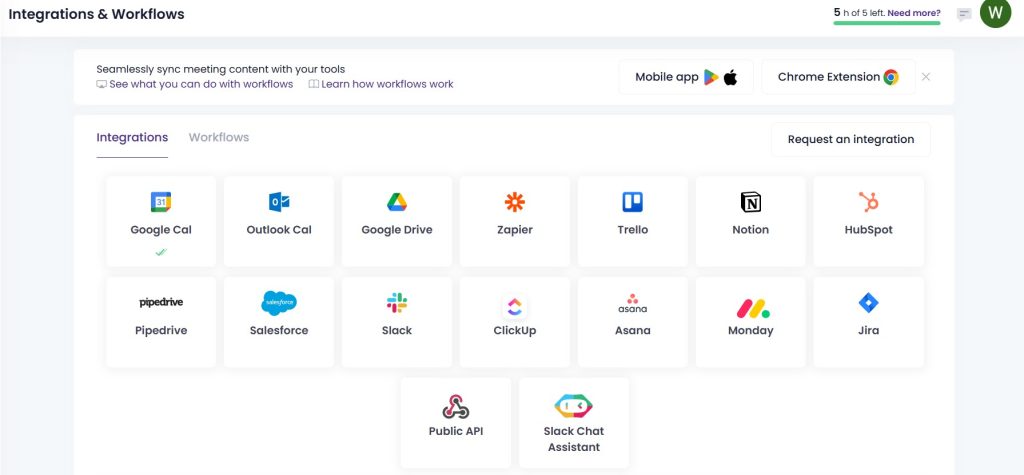
Teams trying to operationalize this without building custom dashboards often turn to MeetGeek, which records calls automatically and generates talk-time breakdowns, sentiment notes, and topic summaries without anyone needing to manually review the footage. For a manager who runs a dozen recurring meetings a week, that kind of automated pass is often the difference between having engagement data and simply having a hunch.
Meeting Load Is Growing Faster Than Most Leaders Realize
Part of what makes engagement measurement urgent right now is that meeting volume itself has been climbing for years, largely without corresponding structural change. Microsoft’s 2025 Work Trend Index, based on telemetry from Microsoft 365 users alongside a global survey of thirty-one thousand workers, found that employees are interrupted roughly every two minutes during the core workday by meetings, emails, or chats, adding up to 275 interruptions across a full day when after-hours activity is included. The same report noted that sixty percent of meetings are unscheduled or ad hoc rather than planned in advance, and meetings starting after eight in the evening have risen sixteen percent year over year, driven largely by teams working across time zones.
Those numbers describe a workplace where meetings are not just long individually, they are also arriving unpredictably and eating into hours that used to be protected. An engineering lead who gets pulled into three ad hoc calls before lunch has little time left to do focused work, regardless of how efficiently each individual call was run. This is exactly why duration-only metrics fall short: a company can hit its “average meeting length” target and still be drowning its staff in interruptions.
Turning the Data Into Better Meetings
Once a team has visibility into talk-time patterns, drop-off points, and follow-through rates, the next step is acting on them rather than simply archiving the reports. A few adjustments tend to produce outsized results.
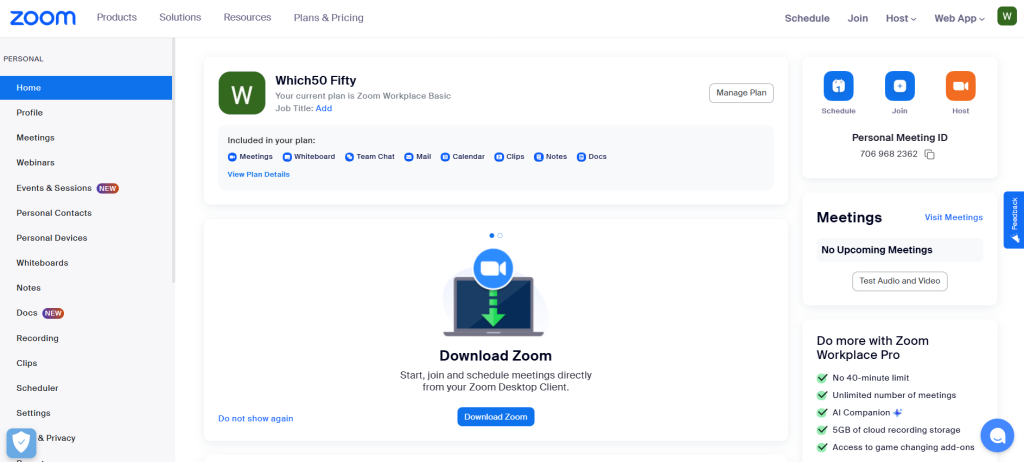
Trimming the default block size matters, but only after checking whether the content actually fits. Cutting a sixty-minute meeting to thirty without cutting the agenda just compresses the frustration into a shorter window. Tools like Zoom now surface built-in engagement indicators, including attention tracking and participation reports, that make it easier to see in real time whether a shortened format is actually working or just moving the same problems faster.
Rotating facilitation also helps, since a single dominant speaker is one of the fastest ways to tank engagement metrics across an entire team. Assigning a different person to run the agenda each week, with explicit prompts to draw out quieter attendees, tends to shift talk-time balance measurably within a month or two.

Organizations coordinating this across departments often lean on Microsoft Teams, which pairs meeting recordings with usage analytics that IT and operations teams can pull at scale, rather than relying on individual managers to self-report how their meetings went.
Format Comparisons Are Part of the Picture Too
Engagement metrics also surface a question that predates video conferencing entirely: does the format itself change how present people are. As remote and hybrid arrangements have become permanent fixtures rather than temporary accommodations, the difference between how people engage on camera versus in a physical room has become a genuine planning variable rather than a footnote. Anyone weighing whether a major kickoff or all-hands should happen on-site or over video may find it useful to look at this breakdown of virtual versus in-person attendance rates, which lays out how show-up and participation rates differ across formats for similar event types.
The honest answer is that neither format wins outright. Virtual meetings tend to win on attendance for routine check-ins, since people are more willing to hop on a fifteen-minute video call than commute across a building or a city for the same conversation. In-person sessions tend to win for anything requiring sustained collaborative problem-solving, where side conversations and whiteboard sketching are harder to replicate on a shared screen. Engagement data, tracked consistently across both formats, is what lets a team make that call based on evidence rather than preference.
Wrap Up
What ties all of this together is a move away from treating meetings as a fixed cost of doing business and toward treating them as a process that can be measured, tested, and improved like any other. A sales team that tracks talk-time ratios on discovery calls is already doing a version of this. Applying the same discipline internally, to standups, reviews, and all-hands meetings, simply extends a practice that has already proven itself effective in customer-facing contexts.
The organizations getting the most value out of this shift are not the ones chasing the shortest possible meeting length. They are the ones asking sharper questions of their calendar data: which meetings consistently lose engagement past the halfway mark, which recurring calls produce action items that never get completed, and which formats actually earn attendance rather than merely requiring it. Those answers, more than any arbitrary time limit, are what separate a calendar full of noise from one that genuinely moves work forward.


Leave a Comment